PricingBook Demonstration
Pricing
Book Demonstration
Your company goals and objectives
Recognition configuration and HR logic
Reward catalogs and budgets
Your data and hierarchy
Manager positioning and your expectations
Dashboards, reporting and HR analytics
Our software, support and services
Going live with Workstars
* Meeting times can be simply changed online

Why employees quit: 11 evidence-based reasons

March 19, 2020

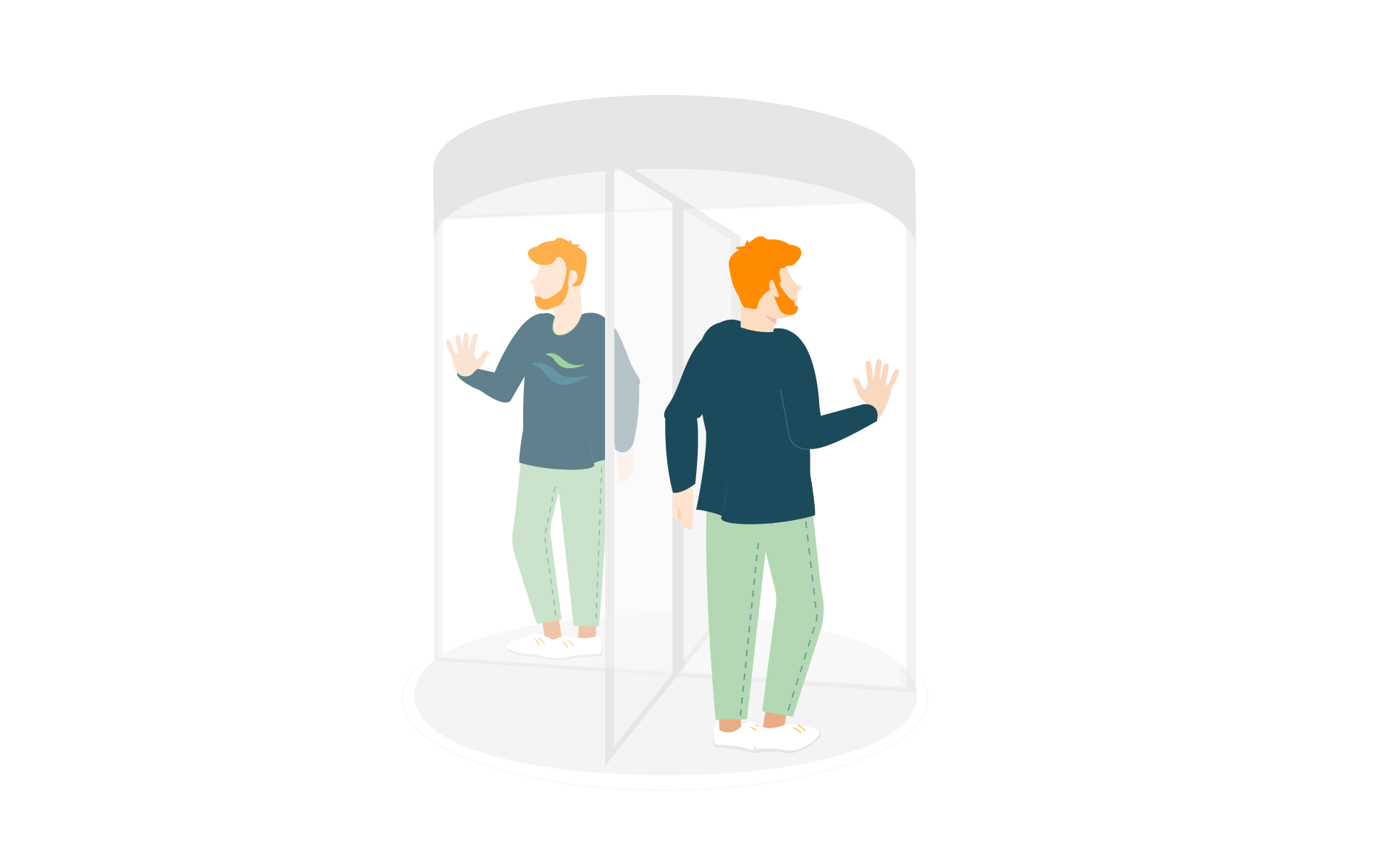
High employee churn is a costly issue for any business. Some estimates place the price of fully replacing an employee towards $40,000, including advertising, recruitment fees, the time it takes to train a new staff member to full working capacity - and the lost productivity in between.

We also know if the best and brightest are constantly jumping ship, the damage to and negativity surrounding a company, can go way beyond the eye-watering $40,000.

According to a 2018 study by Mercer, a whopping third of all employees plan on quitting their job in the next 12 months. Obviously, that data was captured in a coronavirus-free world and the situation for everyone has changed. Whilst better pay packets and loftier job titles did account for many resignation letters, so did seeking benefits such as the opportunity to work remotely. For many, the latter is now a reality. Beyond these factors though, research into employee turnover has unearthed a host of additional subtle and emotional factors that play a key role in employees deciding to seek pastures new.

These include:

- A lack of appreciation
- Feeling burnt out
- Lack of flexible work options
- Wanting to work remotely
- Poor mental health
- Relationship with management
- Corporate culture
- Lack of engagement
- Unhappy at work
- Lack of career growth

A lack of appreciation

One of the primary reasons why employees quit is because they feel underappreciated and undervalued. This study from Office Team looked to uncover the power of appreciation and found that 66% of the employees would quit if they didn't feel appreciated.

That number is even higher for younger workers, with nearly 8 in 10 millennials in the same study saying they'd be looking for new opportunities should they not feel appreciated by their colleagues or leaders.

Companies that have taken a strategic approach to employee recognition have seen improvements in this area. This study from Bersin & Associates indicated a clear link with recognition-rich cultures achieving a 31% lower voluntary turnover rate.

Feeling burnt out

Kronos and Future Workplace carried out research into what they perceive to be 'the employee burnout crisis' and found that burnout was seriously undermining workforce retention. Published in 2017, their report found almost all (95%) of the HR leaders they quizzed reported that burnout was negatively affecting turnover. In larger organizations there was also a reported 'burn and churn', with 15% of HR professionals at firms of over 2,500 employees saying burnout caused more than half of their annual turnover.

One of the reasons burnout is a tricky issue to tackle is that the contributing factors are varied, with responsibility often sitting across different departmental desks.

productivity engagement

Read more: Low productivity and long hours characterize modern British office culture

Whilst the three primary causes were identified as unfair compensation, unreasonable workload and too much overtime, other factors such as poor management, lack of clear alignment between work and corporate goals, and a negative workplace culture also contributed.

Lack of flexible work options

To attract and retain the best talent, many companies have begun to incorporate some degree of flexible working as part of their core employee offering, with initiatives ranging from compressed hours to flexitime and remote working (which we'll come on to shortly).

XpertHR's survey on workplace flexibility found that more than half of organizations had seen a rise in employee requests to work more flexibly, and three-quarters of companies had approved the majority of those requests.

Whilst 70% of millennials have considered leaving a job, to one boasting flexible work options, it's a perk that all age groups would appreciate. In fact, less than 10% of those at either end of the generational spectrum said they would choose the office as their preferred place to get important work done.

Wanting to work remotely

The desire to work remotely has been a growing employee trend over the last decade, popular especially in the tech and digital sectors where a laptop with stable wi-fi connection can complete most of the day's tasks. Falling under the flexibility umbrella but dealing specifically with contact time in an office setting, Gallup's research into the impact of various benefits and perks found that 37% of workers would switch to a job that allowed them to work off-site at least part of the time.

At Atlassian, an internal survey of their employees found that 95% would be willing to change the way they work to enable more remote work. This led to the development of a dedicated remote work program, offering employees the choice to work from home or in the office, based on an assessment of their personality, role, and team.

Read more: 10 companies leading the way on engaging remote employees

The remote-working conversation typically aligns with a desire to achieve a greater work-life balance or, as Arianna Huffington terms it, work-life integration, which benefits employees by helping to alleviate stress, afford more time to spend with family and ultimately support greater wellbeing and mental health.

Poor mental health

The impact that poor mental health has on employee performance and the economy has been understood for some time. Studies from Deloitte and Business in the Community have shown mental health issues cost UK employers upwards of £42 billion each year - £8 billion specifically spent replacing staff who leave their jobs because of their mental health.

With three in five employees experiencing work-related mental health issues at some time in their career, it should be no surprise that this is a key reason why many workers quit.

Poor mental health is an issue that transcends age and gender. A survey of 2,000 employees by CV-Library found that six in 10 men want to quit their jobs because of their mental health, with a culture of working long hours pinpointed as the primary contributing factor.

Read our nine research-backed ideas on better supporting mental health at work for #WorldMentalHealthDay here.

Relationship with management

Research tells us that the business adage of employees working for a boss, not a company, are probably true – especially when it comes to handing in a resignation letter.

A poll of over one million workers in the US by Gallup found that leaving a bad manager was the number one reason why workers quit, with 75% of those who left voluntarily doing so because of their boss and not the job itself.

The relationship with a direct line manager is critical to several employee success factors including productivity, morale and engagement. But a breakdown of that relationship, for whatever reason, can lead to mistrust, anxiety and job dissatisfaction. A more recent study released this year by CareerAddict of 1,000 workers, found that 79% would consider bad leadership as a factor in deciding to quit. Four in ten went so far as to say they would return to their old job if their former boss was replaced.

Corporate culture

A survey of 2,000 employees by recruitment firm Hays discovered almost half are looking for a new job – and corporate culture was the main reason.

Hays US president Dan Rodriguez perfectly summarized why this is, saying of the results that: "Workers today expect more than just a paycheck from their jobs, and they are willing to compromise on base salary to find the right fit.

"We hear every day from candidates looking for a company culture that fits with their core values. Strong leadership, open communication, work-life balance and career development are only going to become more important for attraction and retention."

Whilst this research summarizes the macro-view of the effects of a poor culture, there are more specific reasons within a workplace that may prompt a resignation letter. For example, a report by Deloitte found that 72% of employees in the US would leave their current company for one with a more inclusive culture.

Lack of engagement

The focus on employee engagement has been steadily increasing over the last 20 years, as its importance in the workplace and influence on business results has become more widely understood. And a lack of engagement has a role to play in employee turnover, too. Gallup found that engaged employees are 59% less likely to seek out a new job or career in the next 12 months.
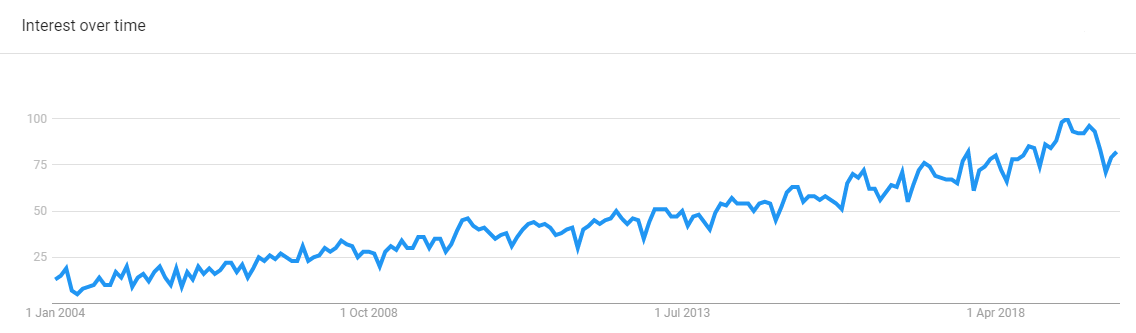
Employee engagement search trends
Global Google search interest in 'employee engagement' since 2004

This extensive survey of 34 million workers worldwide, analyzed net promotor scores and responses to survey questions regarding loyalty as a measure of engagement, to find a correlation with voluntary turnover, hinting at a nine-month trend from disengagement to separation.

Unhappy at work

It should come as no surprise that unhappy employees are more likely to quit than happy ones, and research shows that this is indeed the case.

This study of over 1,000 UK workers found a positive overall picture of employee morale with responders giving an average 6.8/10 rating. However, one in three reported that they would consider quitting if they became unhappy.

Unhappy workers don't only cause a performance dip on an individual level. Studies have shown how contagious emotions can negatively impact entire teams – without them necessarily realizing. Organizations such as Zappos and Amazon have recognized this, and even offer cash for employees to quit if they become unhappy in the understanding that it's better for everyone if they move on.

Lack of career growth

A survey carried out last year by research company The Harris Poll found a lack of career growth and development was a key reason why employees left their previous job.

One in three workers reported that they quit their last position because they didn't learn new skills or better their performance – despite nearly all the 310 workplaces involved in the study providing career development tools. In fact, only 26% of employees rated their employers' development tools as delivering for them.

Additional research into the link between career development and employee attrition by Global Talent Monitor found a stronger correlation, with 40% of departing employees saying they were dissatisfied with the lack of future career development. The study also found 28% are actively seeking new employment whilst 42% were open to new opportunities should they arise.

However, things aren't quite as gloomy as this research in isolation would suggest. For example, Gartner reports that, on average, employees stay in the same role 50% longer than before the financial crisis in 2008.

200-gratitude-journal-prompts-to-transform-your-life-with-just-5-minutes-per-day
200 Gratitude Journal prompts to transform your life with just 5 minutes per day
what-is-peer-feedback-definition-psychology-and-practical-tips
What is peer feedback? Definition, psychology, and practical tips
workplace-autonomy-why-freedom-at-work-drives-happiness-and-performance
Workplace Autonomy: Why freedom at work drives happiness and performance
the-seven-benefits-to-you-of-noticing-others
The seven benefits to YOU of noticing others
why-christmas-gifts-are-not-to-be-confused-with-employee-recognition
Why Christmas gifts are not to be confused with employee recognition
why-visible-leadership-matters
Why visible leadership matters
five-things-all-great-company-values-have-in-common
Five things ALL great company values have in common
what-employees-want-from-managers-that-matters
Today, it is what employees want from managers that matters
birthday-recognition-the-employer-roi
Birthday recognition: The employer ROI
values-in-action-questrade-building-culture-of-recognition-and-belonging
Values in action: How Questrade is building a culture of recognition and belonging
30-ideas-to-help-a-new-starter-in-their-first-week
30 ideas to help a new starter in their first week
the-value-of-external-feedback-in-the-workplace
The value of external feedback in the workplace
expand-the-power-of-recognition-with-partner-appreciation
Expand the power of recognition with Partner Appreciation
11-fascinating-social-work-theories
11 fascinating social work theories
making-rewards-more-meaningful-with-thousands-of-gift-cards-to-choose-from
Making rewards more meaningful with thousands of gift cards to choose from
what-does-the-sociometer-theory-of-self-esteem-state
What does the Sociometer Theory of Self-Esteem state?
14-qualities-of-any-good-manager
14 qualities of any good manager
winning-psychology-owning-your-mistakes-apologizing-at-work
The winning psychology of owning your mistakes and apologizing at work
the-invisible-productivity-factors
The invisible productivity factors
how-machias-savings-bank-improved-employee-satisfaction-and-increased-commitment-to-company-values
How Machias Savings Bank improved employee satisfaction and increased commitment to company values
great-managers-vs-natural-leaders-whats-the-difference-and-does-it-matter
Great managers vs natural leaders: What’s the difference (and does it matter?)

workstars-now-integrates-seamlessly-with-the-hris-you-use-every-day
Workstars now integrates seamlessly with the HRIS you use every day
ai-in-hr
AI in HR: Where are we at (and where are we going to end up?)

employee-appreciation-day-17-ideas-that-show-you-care
Employee Appreciation Day – 17 ideas that show you care
10-companies-with-employee-feedback-running-through-their-culture
10 companies with employee feedback running through their culture
50-new-virtual-team-building-activities-and-ideas
50 new virtual team building activities and ideas
the-importance-of-self-management-in-the-workplace
The importance of self-management in the workplace
proven-employee-engagement-strategies-every-business-leader-should-know
Proven employee engagement strategies every business leader should know
what-is-employee-morale-and-how-can-you-boost-it
What is employee morale and how can you boost it?
how-to-reward-employees-90-crazy-and-not-so-crazy-ideas
How to reward employees: 90 crazy (and not so crazy) ideas
what-is-employee-empowerment-and-why-is-it-so-important
What is employee empowerment and why is it so important?
the-real-scoop-on-organisational-culture-a-candid-chat
The real scoop on organisational culture: a candid chat
the-cost-of-employee-turnover
The cost of employee turnover
the-importance-of-effective-onboarding
The importance of effective onboarding
creating-a-talent-pipeline-the-ultimate-checklist
Creating a talent pipeline - the ultimate checklist
100-employee-stress-and-relaxation-busters-for-hr
100 employee stress and relaxation busters for HR
100-proven-employee-reward-ideas
100 proven employee reward ideas
40-hr-books-for-the-hr-addict
40 HR books for the HR addict
does-employee-happiness-impact-productivity-yes-and-weve-got-proof
Does employee happiness impact productivity? Yes - and we’ve got proof!
25-hr-trends-for-2022
25 HR trends for 2022
51-super-employee-wellbeing-ideas-the-ultimate-list
51 super employee wellbeing ideas - the ultimate list
how-autonomy-influences-mood-and-productivity
How autonomy influences mood and productivity
what-cipds-good-work-index-2021-reveals-about-how-employees-are-feeling
What CIPD’s Good Work Index 2021 reveals about how employees are feeling
21-reasons-why-we-want-to-return-to-the-office
21 reasons why we want to return to the office
16-habits-for-every-modern-leader
16 habits for every modern leader
podcast-the-importance-of-trust-in-employee-recognition-and-rewards
PODCAST: The importance of trust in employee recognition and rewards
cipd-research-indicates-that-mixing-home-and-office-working-will-increase-substantially
CIPD research indicates that mixing home and office working will increase substantially
24-virtual-office-games-to-bring-back-that-friday-feeling
24 virtual office games to bring back that Friday feeling
uk-benefits-trends-2021-research-provides-insights-into-shifting-priorities
UK benefits trends 2021 research provides insights into shifting priorities
integrating-company-awards-with-social-recognition
Integrating company awards with social recognition
building-a-platform-for-future-success-insights-from-ceridians-2021-pulse-of-talent-survey
Building a platform for future success: Insights from Ceridian’s 2021 Pulse of Talent survey
23-exercise-ideas-and-tips-for-remote-workers
23 exercise ideas and tips for remote workers
cipd-research-what-will-the-post-pandemic-workplace-look-like
CIPD Research: What will the post-pandemic workplace look like?
covid-employee-experience-leadership-lessons-mckinsey-research
COVID & the employee experience - leadership lessons from McKinsey research
introducing-workstars-tv-sharing-great-moments-in-more-places
Introducing Workstars TV – sharing great moments in more places
deloitte-global-millennial-survey-2020-do-millennials-and-generation-z-hold-the-key-to-creating-a-better-normal
The Deloitte Global Millennial Survey 2020: do millennials and Generation Z hold the key to creating a “better normal”?
65-employee-recognition-ideas-ultimate-list
65 employee recognition ideas - the ultimate list
the-power-of-belonging-dissecting-the-center-for-talent-innovations-latest-research
The power of belonging: dissecting The Center for Talent Innovation's latest research
the-impact-of-appreciation-inside-and-outside-work
The impact of appreciation, inside and outside work
the-most-popular-employee-benefit-just-got-fast-tracked-20-years
The most popular employee benefit just got fast-tracked 20 years
31-games-to-play-at-work
31 games to play at work
can-you-scientifically-measure-company-culture
Can you scientifically measure company culture?
30-must-listen-podcasts-for-hr-professionals
33 must-listen podcasts for HR professionals
the-principle-of-workplace-democracy-has-just-got-a-whole-lot-closer
The principle of workplace democracy has just got a whole lot closer
reconciling-organizational-and-personal-values-dissecting-the-ilms-latest-research
Reconciling organizational and personal values: dissecting the ILM’s latest research
50-perfectly-formed-mission-statements
50 perfectly-formed mission statements
why-employees-arrive-motivated-and-leave-demotivated
Why employees arrive motivated - and leave demotivated
11-companies-that-have-adopted-unlimited-holidays-and-what-they-found
11 companies that have adopted unlimited holidays (and what they found)
nine-evidence-based-reasons-to-create-a-culture-of-learning
Nine evidence-based reasons to create a culture of learning
six-businesses-that-have-moved-to-a-four-day-working-week-and-what-they-found
Six businesses that have moved to a four-day working week (and what they found)
why-employees-quit-11-evidence-based-reasons
Why employees quit: 11 evidence-based reasons
10-awesome-employer-brands-and-what-makes-them-great
10 awesome employer brands (and what makes them great)
5-studies-highlighting-the-power-of-intrinsic-motivation
Five studies highlighting the power of intrinsic motivation
why-managers-need-to-understand-contagious-emotions-in-the-workplace
Why managers need to understand contagious emotions
seven-practical-hr-benefits-of-employee-recognition-software
Seven practical HR benefits of employee recognition software
10-ways-to-improve-emotional-safety-in-the-workplace
10 ways to improve emotional safety in the workplace
does-christmas-have-anything-to-do-with-employee-recognition
Does Christmas have anything to do with employee recognition?
what-is-a-high-trust-culture-and-what-are-its-benefits
What is a high trust culture and what are its benefits?
10-companies-getting-workplace-wellbeing-right
10 companies getting workplace wellbeing right
20-companies-leading-the-way-when-it-comes-to-employee-perks-and-benefits
20 companies leading the way when it comes to employee perks and benefits
wellbeing-in-the-workplace-what-does-the-latest-research-say
Wellbeing in the workplace: what does the latest research say?
what-does-using-social-recognition-software-say-about-your-business
What does using social recognition software say about your business?
what-millennials-want-from-work-7-research-backed-truths
What millennials want from work: 7 research-backed truths
engaging-remote-employees-10-companies-leading-the-way
Engaging remote employees: 10 companies leading the way
world-mental-health-day-9-ways-to-support-mental-wellbeing-in-the-workplace
Nine ways to support mental wellbeing in the workplace
the-20-benefits-of-peer-to-peer-recognition
The 20 benefits of peer-to-peer recognition
what-will-be-on-the-2020-hr-agenda
Two great opportunities for HR teams going into 2020
the-impact-of-recognition-on-job-loyalty-and-employee-turnover
The impact of recognition on job loyalty and employee turnover
5-studies-that-show-why-employee-happiness-benefits-the-workplace
Five studies showing how employee happiness and business performance go hand in hand
why-does-hr-lag-behind-when-it-comes-to-using-data
Why does HR lag behind when it comes to using data?
the-employee-recognition-program-no-nos
The employee recognition program no-no’s
employees-faking-engagement
Are some employees faking engagement?
giving-to-charity-at-work
Giving to charity at work
social-recognition-positive-expression-v-hierarchy
Social Recognition: Positive expression v hierarchy
low-productivity-and-long-hours-characterise-modern-british-office-culture-so-wheres-the-engagement
Low productivity and long hours characterize modern British office culture
could-employee-recognition-support-workplace-wellbeing
Could employee recognition support workplace wellbeing?
what-is-the-employee-experience
What is the employee experience?
do-your-employees-have-imposter-syndrome
What is imposter syndrome?
making-work-rewarding-in-over-45-countries
Making work rewarding in 67 countries
workplace-emotional-intelligence-ideas-hr
Why the workplace needs emotional intelligence: ideas and research for HR professionals
trust-employees-studies-showing-power-trust-workplace
Trust Employees: 3 studies showing the power of trust in the workplace
10-slam-dunk-employee-engagement-statistics-for-hr
10 Slam Dunk Employee Engagement Statistics for HR (INFOGRAPHIC)
makes-work-meaningful-prepared-surprise
What makes work meaningful? Be prepared for a surprise
research-links-employee-engagement-customer-loyalty
Research that links employee engagement to customer loyalty
10-knockout-employee-recognition-statistics-for-hr-infographic
10 knockout employee recognition statistics for HR (INFOGRAPHIC)
new-era-reward-material-versus-non-material
A new era of reward: material versus non-material
company-culture-organisations-showing-us-way
Company culture: 4 organisations showing us the way forward
4-examples-nurture-innovation
4 examples of how to nurture innovation
10-perfect-employee-engagement-quotes
10 Perfect Employee Engagement Quotes
team-development-performance-popularity
Team development and performance gains popularity
thinking-about-employee-recognition-6-gratitude-studies-you-need-to-read
Thinking about employee recognition? Six gratitude studies you need to read
5-signs-great-company-culture
5 signs that you have a great company culture
giving-recognition-whats
Giving Recognition: What's in it for me?
employee-recognition-trend-time-money
Employee recognition trend: time over money
social-recognition-2017-game-changer-hr-software-horizon
Social Recognition 2017: A game changer for HR, the software horizon
time-start-appreciating-giggers
Is it time to start appreciating giggers?
peer-peer-recognition-givers-takers-adam-grant
Peer to Peer Recognition: Givers, Takers and Adam Grant
workstars-top-20-time-activity-rewards-2016
Workstars' top 20 time and activity rewards from 2016
case-social-recognition-based-gartner-research-report
The case for Social Recognition: Based on Gartner research report
staff-recognition-82-say-work-harder-appreciated
Staff recognition – 82% say they work harder if appreciated
employee-value-proposition-recognition-social-proof
Employee Value Proposition: Recognition is Social Proof
hr-tech-bersin-deloitte-disruptions-report
5 headlines from Bersin by Deloitte’s HR tech disruptions report
linkedin-research-core-values-recruitment
LinkedIn reveals importance of core values in recruitment
research-value-positive-feedback
Research highlights the value of positive feedback
millennials-want-recognition-freebies
Why millennials want recognition more than freebies
employee-recognition-linked-to-productivity
Employee recognition linked to productivity
employee-recognition-myths
Employee recognition myths
seven-ways-employee-recognition-impacts-engagement
Seven ways employee recognition impacts engagement
every-company-needs-make-employee-recognition-success
Every company needs to make employee recognition a success
recognising-remote-workers-checklist
Recognising remote workers checklist
understanding-psychology-perks
Understanding the psychology of perks
employee-engagement-four-things-no-manager-ignoring
Employee engagement: Four things no manager should be ignoring
can-social-recognition-make-change-management-effective
Can social recognition make change management more effective?
compassion-place-work
Should compassion have a place in work?
workstars-way-using-perks-engagement
Which perks would make you feel recognised at work?
conversations-part-recognition-strategy
Why conversations should be part of your recognition strategy
motivation-personalisation-one-size-fits
Motivation: Personalisation or one size fits all?
motivating-employees-emily-rices-manager
Lessons in motivating employees: meet Emily Rice’s manager
last-thing-employee-recognition-needs-process-prescription
Why the last thing employee recognition needs is process and prescription
really-fun-motivate-employees
Does having fun motivate employees?
perks-connect-employees-employers-challenging-times
Perks connect employees and employers during challenging times
employee-wellbeing-employers-duty-care
Employee Wellbeing: Do employers have a duty of care?
time-flexibility-perks-short-supply-manager-perception-gap-motivation
Time and flexibility perks in short supply: the manager perception gap on motivation
employees-trust-people-focused-managers
Employees trust people focused managers
corporate-social-responsibility-dead-long-live-purpose
Is Corporate Social Responsibility dead? Long live Purpose
regular-real-time-recognition-matter
Does regular real-time recognition matter?
company-culture-social-recognition
Social recognition and a desirable company culture
hr-saas-employee-recognition
HR has embraced SaaS and employee recognition is better for it
employee-wellbeing
Recognition Key Component for Employee Wellbeing
employee-happiness-shocks-strategy
Employee Happiness: Shocks or Strategy?
simple-and-effective-workforce-analytics
Simple and Effective Workforce Analytics
big-or-small-recognition-budget-its-how-you-use-it-that-counts
Big or small recognition budget? It’s how you use it that counts
millennials-and-mobile-are-changing-employee-recognition-for-the-better
Millennials and mobile are changing employee recognition for the better
6-reasons-why-old-school-employee-recognition-programmes-demotivate-millennials
6 reasons why old school employee recognition programmes demotivate millennials
moving-from-reward-to-recognition
Moving from Reward to Recognition
implementing-employee-recognition-programmes-has-never-been-easier
Implementing employee recognition programmes has never been easier
gartner-flag-early-adoption-of-social-recognition
Gartner flag early adoption of social recognition
social-recognition-is-aligned-with-integrity-and-trust
Social recognition is aligned with integrity and trust
talent-retention-through-social-recognition
Talent retention through social recognition
soft-hr-is-hard-and-is-building-hrs-reputation
Soft HR is hard – and it is building HR’s reputation
core-values-in-the-workplace-stop-laminating-start-living
Core Values in the Workplace: Stop Laminating, Start Living.
managing-millennials-why-hr-needs-to-rethink-employee-recognition
Managing millennials: Why HR needs to rethink employee recognition.
the-future-of-hr-technology-enabling-not-controlling
The Future of HR Technology - Enabling not Controlling
giving-is-undervalued-it-is-time-to-change-how-employee-recognition-works
Giving is undervalued, it is time to change how employee recognition works.
the-benefits-of-employee-voice-at-work
The Benefits of Employee Voice at Work
employee-recognition-software
Employee Recognition: Managers who are first class "Noticers".
employee-engagement-gallup
Engagement. I am still waiting for Gallup. Are You?
social-recognition-communication
Social Recognition. The Art & Science of Workplace Communication
recognising-employee-activism
Recognising Employee Activism.
employee-recognition-top-ten
Employee Recognition: 10 for HR in 2015.
social-employee-recognition-programs
In the New Rules of the Social Age, Employee Recognition is a Dinosaur.
social-employee-recognition
Social Recognition. What Is It, And Why?
employee-recognition-programs
Employee Recognition Programs : Why Spending 2% Of Salary Is Bad Advice.
company-values-dont-banker
Company Values : Don't Be A Banker
social-recognition-video
Social Recognition Video : The Future Of Employee Recognition
peer-to-peer-recognition-programs
Social & Peer to Peer Recognition Programs : Is Reward Getting In The Way?
engaging-managers
Engaging Managers: Extrinsic, Intrinsic & The Managers I Want To Work For
imported-item-75
Imported item 75