Book Demonstration
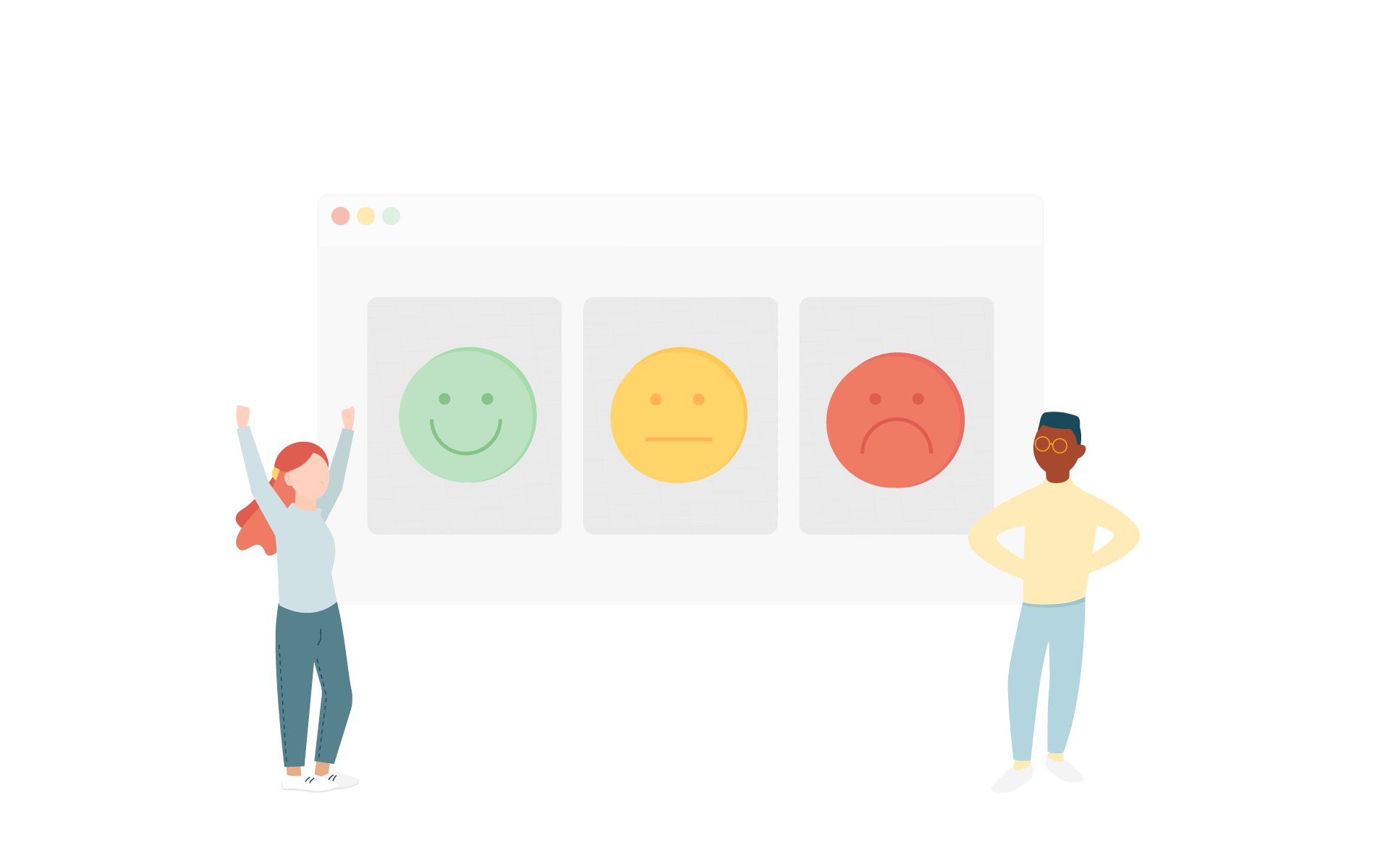


We usually think of feedback as something that comes from above – a manager, for example. But some of the most useful feedback we receive comes from the people working right alongside us. Colleagues who see our decisions up close, experience the impact of our behavior, and understand the realities of the work we do.
Peer feedback is an important ingredient in learning and development, and organizations who take advantage of it see huge benefits. So in this article, we're going to explain what peer feedback is, some of the psychology behind why it works, and some practical tips you can use to get it rolling for your team or organization right now.
Many people think of feedback as something that comes from an authority figure – a boss, a teacher, or perhaps a coach. But peer feedback is a little different.
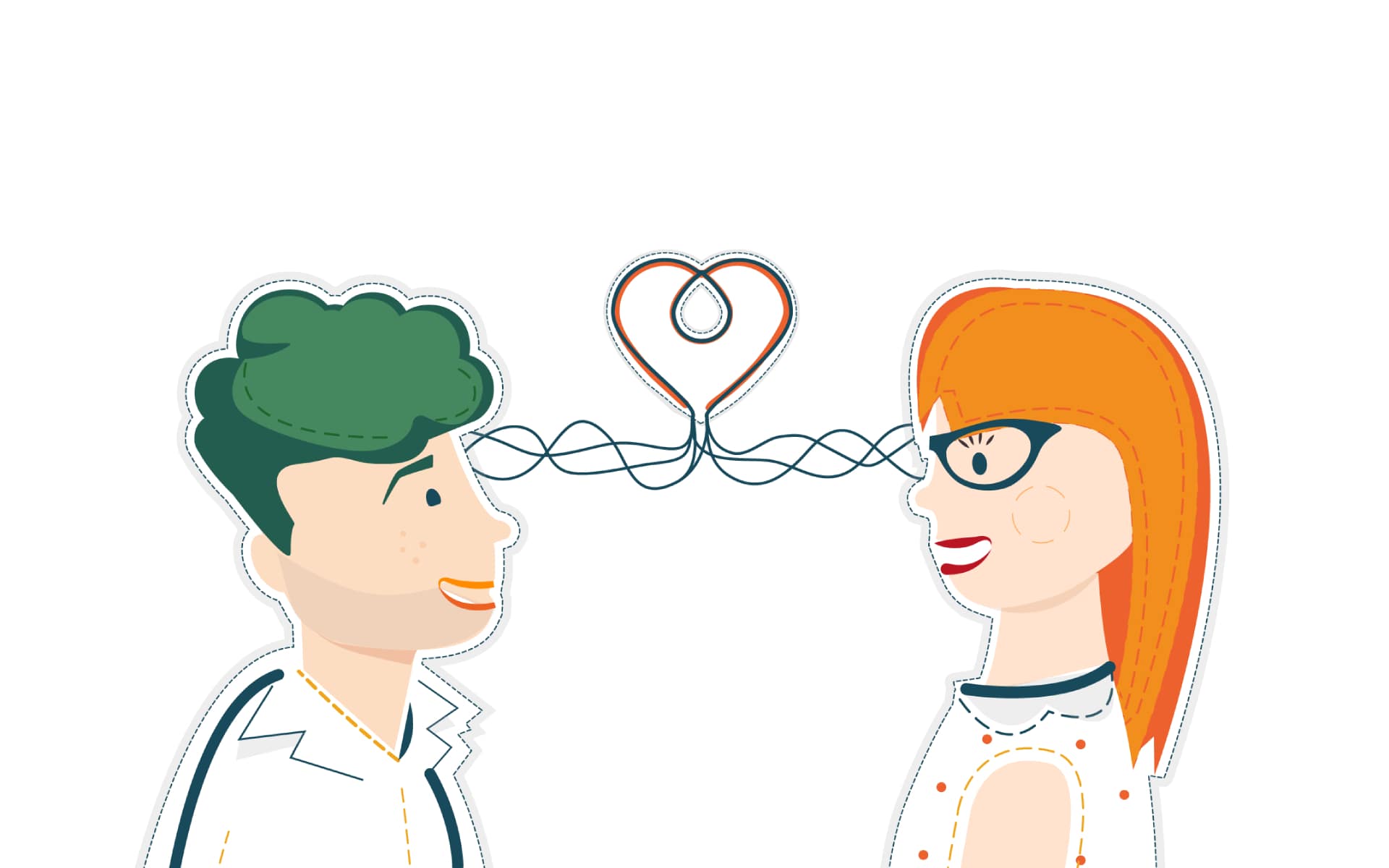
Peer feedback is shared between people who are at a similar level, stage, or role. Maybe that's a colleague or a classmate, or somebody on your sports team. Instead of flowing top-down, peer feedback moves sideways – the people giving the feedback are often tackling similar tasks, pressures, or challenges, which gives their perspective more relevance.
Peer feedback can take many forms. It might be:
You'll find peer feedback used widely in education, normally referred to as peer review. But it is also used widely in workplace learning and development, in healthcare training, and in collaborative or project-based environments.
But although peer feedback may contribute to an appraisal – such as in a 360 degree performance review – it's worth noting that peer feedback is not the same as a performance appraisal or evaluation. Generally speaking, it's not about ranking people, scoring them, or passing judgement – in fact, research consistently distinguishes peer feedback from summative assessment, emphasizing that its value lies in being developmental rather than evaluative… i.e. it helps people get better at what they're doing, because the feedback is coming from people who truly understand the position they are in.
Of course, it's worth noting here that the developmental benefits of peer feedback are not exclusively for the receiver. Evidence shows that the process of giving feedback is just as beneficial as receiving – it sharpens the observer's understanding of quality, standards, and effective behavior.
In short, peer feedback is a great way to help team members continuously improve their skills – so now, we're going to peel back a few more layers, to find out why it works so well, as well as how you can implement this within your own organization.
The effectiveness of peer feedback has been proven time and again, and is rooted in well-established psychological principles that explain exactly why it works so well. Feedback from peers lands differently than feedback from managers or other authority figures, and here are a few of the reasons why.
We also mentioned earlier that there's a powerful effect on the person giving the feedback. And this is because providing peer feedback requires observation, evaluation, and articulation – all of which deepen understanding. Organizational learning research shows that people refine their own standards and behaviors when they are asked to assess others, making peer feedback a learning mechanism for both sides of the exchange.
Taken together, these psychological factors explain why peer feedback – when done well – does far more than just transmit information about a person's performance. Peer feedback is an effective driver of motivation, it reinforces learning, it strengthens relationships, and it creates a loop for continuous improvement.
We mentioned psychological safety in the last section, but it probably deserves a section of its own. And that's because peer feedback only works when people feel safe enough to be honest – both when giving feedback and when receiving it. Without that sense of safety, peer feedback quickly becomes a formality that is superficial and overly polite – if it's even done at all.
Psychological safety is the shared belief that you can speak up, ask questions, admit mistakes, or offer constructive challenge without fear of embarrassment, punishment, or damage to your standing. In workplaces with high psychological safety, people are more willing to share information, surface problems early, and engage in learning-oriented conversations.
But why does this matter? Well, it's because feedback – especially peer feedback – involves a lot of "interpersonal risk". Or in other words, pointing out an issue, offering a different perspective, or suggesting improvement can all feel socially risky. Research led by Amy Edmondson shows that when teams lack psychological safety, people stay quiet even when they see problems, because silence feels safer than speaking up.
In the context of peer feedback, low psychological safety often shows up as:
By contrast, teams with higher psychological safety are more likely to engage in honest, specific, and useful peer feedback, because feedback is understood as part of learning, and not as a personal threat.
Psychological safety doesn't mean being "nice" all the time, or avoiding challenge. In fact, research shows that the most effective teams combine high standards with high trust. People feel safe enough to challenge one another precisely because they believe the intent is to improve, not to blame.
But the important point here is that peer feedback can both depend on, and build, psychological safety. It becomes a bit of a chicken and egg situation, actually – each requires the other to exist properly. For organizations, this means peer feedback shouldn't be treated as a standalone tool. Its effectiveness is shaped by the wider environment – how mistakes are handled, how disagreement is received, and whether people believe feedback will be used to help rather than to harm.
Put simply, without psychological safety, peer feedback becomes a tick-box exercise.
When you get peer feedback working properly, its impact isn't subtle. You'll notice the effects. You'll see it in how people think about their work, how teams interact, and how organizations learn.
Let's break down the benefits for each of these areas.
Peer feedback helps people see things they simply can't see on their own.
And when giving feedback, your personal sense of quality and standards will also improve – people who give their peers feedback feel sharper, and more aware of their own actions.
At team level, peer feedback changes how people work together day to day.
When you scale peer feedback processes to work throughout your organization, you start to transform your entire culture, and lift the performance of your entire workforce.
When you get it right, your entire culture will shift from one of judgement, to one of development. And that's because when feedback is shared laterally, improvement feels like a shared responsibility that everybody is interested in achieving.
Shortly, we're going to talk about how to do peer feedback really well. But before we do, it's worth clarifying some misconceptions about peer feedback, which can turn into poor execution if left unchecked.
So here are a few things peer feedback is not:
Peer feedback is also not anonymous judgement with no context… OK, so anonymity can have a place in some systems, but peer feedback works best when it's grounded in real working relationships, shared experience, and mutual trust.
Good peer feedback is surprisingly simple. It does require a bit of clarity, care, and practice though – so here are some helpful tips that should help you deliver peer feedback the right way.
Vague feedback like "great job" or "that didn't quite work" doesn't help anyone improve. Instead, point to something specific – a behavior, decision, or moment. Explain why it did or didn't work, such as "you showed so much empathy towards that customer, it really helped with the sale".
When giving feedback to your peers, you should talk about what they did, not who they are. Instead of telling a person that they're "difficult to understand", find an example that they can relate to, such as "I don't understand you when you use too many technical words – when talking about that subject, it might help to dumb things down a bit?"
Effective peer feedback highlights what's working, not just what could be improved. You're not trying to soften the blow here – it's actually an important part of improving a person's behavior, because knowing what to repeat is just as important as knowing what to change. Psychologists call this "positive reinforcement".
Feedback works best when it's close to the event you're discussing. Waiting weeks (or months) drains your feedback of relevance and impact. But if you catch a person within minutes of something happening, it's nice and fresh in their mind.
Remember that the goal of peer feedback is not to dwell on the past, it's to help someone do better in the future. Good peer feedback points forward, and looks at issues that are likely to crop up again and again over time.
Encouraging your organization to follow these tips when giving peer feedback will help you to build a culture that feels less judgy, and more helpful – building that all-important psychological safety we keep talking about.
Giving feedback gets most of the attention. But peer feedback only really works when people know how to receive it well, too. That doesn't mean agreeing with everything you hear, by the way… in fact, there may be times when you rightly disagree with a person's observations, and maybe they're the person who will come out of the interaction having learned something instead. But there are still ways and means of receiving peer feedback in an effective way, which will make a real difference to the whole operation.
When somebody tells you something about yourself – especially if it's an uncomfortable observation – it's completely natural to want to explain yourself or push back straight away. But research shows that people process feedback more effectively when they focus first on understanding it, rather than responding to it. Douglas Stone and Sheila Heen cover this really well in their book "Thanks for the Feedback". Interrupting often shuts down useful information before it's fully shared.
Most peer feedback is well-intentioned, even when it lands awkwardly. Separating what someone meant from how something landed helps reduce emotional reactions and keeps the focus on improvement. This distinction is widely used in conflict resolution and feedback psychology. In a nutshell, be forgiving and patient with the way feedback is delivered – assume that people mean well, even if their words don't quite come across that way. Because even if they don't mean well, what's the point on ruminating? Besides, you may still learn something that helps you improve yourself regardless.
Immediate reactions are often emotional rather than reflective. You'll likely know these as "Kneejerk Reactions". But taking time to sit with feedback – even briefly – improves learning and reduces defensiveness. Reflection is strongly linked to better behavior change following feedback, and even though you may still have the same reaction after a short pause, you can be more confident that it's the right reaction, at least.
Not all feedback needs to be acted on. Feedback simply gives you the opportunity of a more informed choice! Research on feedback effectiveness shows people benefit most when they decide deliberately what feedback aligns with their goals and context. So if you really disagree with what somebody has said? Thank them and move on!
Good questions turn feedback into a conversation. Asking for examples, context, or suggestions helps make feedback clearer and more actionable – and signals openness rather than resistance.
Peer feedback is a powerful tool with countless benefits. But it does require careful handling. Implement a peer feedback system wrong, and you could be asking for trouble – remember, not everybody is used to giving or receiving feedback this way, and not everybody has researched it to the same degree you have!
Here are a few things to look out for and to try to avoid, when implementing a peer feedback system within your organization.
You won't get it right, right away. But if you know what to look out for, you'll be able to keep your peer feedback processes and practices in check, and continually improving!
Some people seem "naturally good" at giving and receiving feedback. But actually, the evidence seems to show that peer feedback isn't actually an innate talent – it's a learned skill.
The quality of peer feedback improves when:
Sure, it's going to help if your teams are already stacked full of empathetic people who are great listeners and excellent mentors… but the reality is that strong feedback cultures simply do not happen by accident. So keep on learning about how to make peer feedback more effective, and encourage your teammates, your direct reports, even your bosses, to do the same. Because the more you practice these methods and techniques, the more useful peer feedback will become for you and your team.

.png)