PricingBook Demonstration
Pricing
Book Demonstration
Your company goals and objectives
Recognition configuration and HR logic
Reward catalogs and budgets
Your data and hierarchy
Manager positioning and your expectations
Dashboards, reporting and HR analytics
Our software, support and services
Going live with Workstars
* Meeting times can be simply changed online

What is employee empowerment and why is it so important?

June 13, 2023

We're about to embark on an intriguing exploration of a concept that's been making waves in the business world: employee empowerment. You might have come across this phrase in business magazines, LinkedIn posts, or in the occasional TED Talk. But what does it really mean?

We've got plenty to say on the subject. But first, let's get a firm grip on the term.

Employee empowerment isn't about letting your staff run wild and free with no rules or guidelines. It's not anarchy, nor is it the corporate equivalent of Lord of the Flies. Instead, think of it more like a strategic shift in management philosophy. It's about giving your employees the authority, resources, and freedom to make decisions and take action in their roles. It's about instilling a sense of ownership, responsibility, and trust. And most importantly, it's about believing in your people's capabilities to deliver results.

To give you a clearer idea, let's break it down. The term 'employee' is fairly straightforward, but 'empowerment' might need a little untangling. In a nutshell, empowerment is all about power and control, but not in a 'world domination' kind of way. It's more about enabling people to take control of their work, leading to increased confidence, innovation, and job satisfaction.

While the concept might sound like a modern buzzword, it's far from new. It has its roots in the human relations movement of the 1920s and 30s. Back then, researchers began to realize that employees weren't just cogs in a machine; they were human beings who responded positively to being valued, respected, and given a certain degree of autonomy in their work.

But why is this topic so relevant now? It's because, more than ever, businesses are acknowledging the remarkable benefits of employee empowerment. With the shifting dynamics of the workplace, especially in the wake of the global shift to remote work, empowering employees is becoming not just an option, but a necessity.

That's our teaser for you. Over the next few sections, we're going to delve into the nitty-gritty of employee empowerment, exploring its significance, potential challenges, and the splendid outcomes it can yield for your business.

Deep dive into employee empowerment

We've touched upon the basics, but let's dissect it further and look at the beating heart of this powerful business strategy.

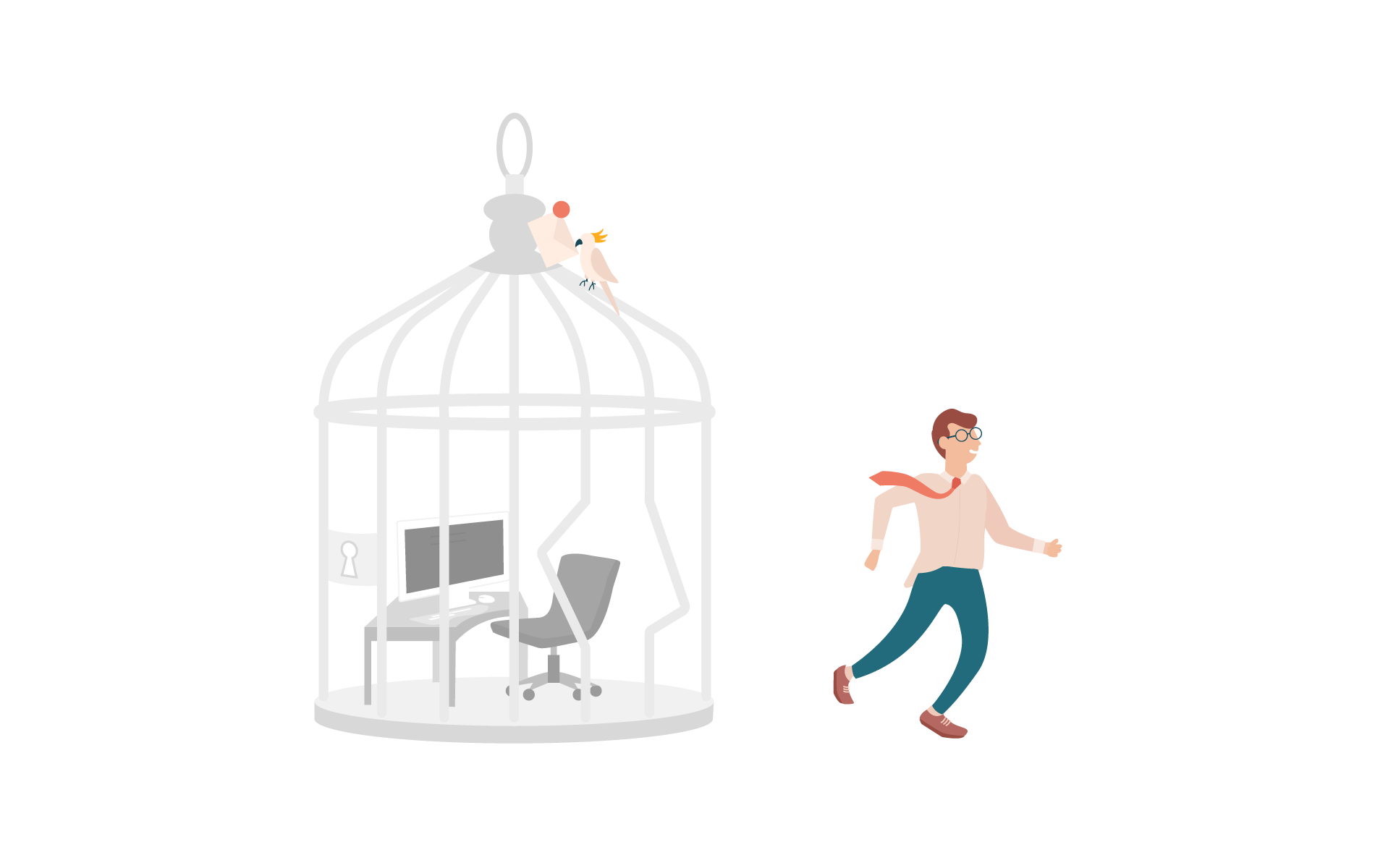
Employee empowerment might sound like giving the inmates the keys to the prison, but we assure you, it's anything but. It's about a balanced and strategic redistribution of power within an organization. This means allowing employees to make decisions about their work, based on the knowledge and skills they bring to the table. It's about allowing them to contribute in ways that extend beyond their basic job descriptions, inviting them to share ideas and be part of shaping the company's future.

At its essence, empowerment is a paradigm shift, transforming the traditional top-down hierarchy to a more inclusive, bottom-up model. It's all about enabling employees to use their skills to the fullest, fostering an environment where they feel valued and confident to make a real difference.

However, employee empowerment isn't about delegating tasks and forgetting about it. It involves creating an environment of trust and open communication, where employees know their contributions matter, their voices are heard, and their decisions respected. It's about nurturing an atmosphere that values transparency, encourages creativity, and drives productivity.

Although it sounds trendy, the idea of employee empowerment is not a recent invention. If you read our introduction, you'll know that the roots of empowerment can be traced back to the human relations movement, which recognized the human aspect in an industrialized workforce. Over the years, this idea has evolved to meet the unique demands and challenges of modern workplaces. Today, it's viewed as a powerful strategy that organizations can leverage to boost morale, efficiency, and overall performance.

OK, so let's address the elephant in the room – we've hinted at it plenty:

Are there myths surrounding employee empowerment? Absolutely. Some believe it leads to a chaotic work environment, others feel it undermines the role of managers. However, these misconceptions stem from a lack of understanding and poor implementation. Implemented effectively, employee empowerment can actually lead to greater harmony, productivity, and even pave the way for transformative leadership.

Let's take a look at some of those benefits.

The impact and value of employee empowerment

To start, let's imagine a workplace where employees are treated as more than just job titles. They have the liberty to make decisions about their work, provide inputs that directly impact the company's strategy, and feel trusted to handle tasks in their own unique way. Sounds like a dream, doesn't it? In reality, it's an environment of empowerment, and it's a game-changer for employee satisfaction.

When employees are empowered, they feel valued and heard. This boosts their morale and motivation, making them more likely to stay engaged and loyal to the company. Remember, a happy employee doesn't just mean a harmonious office; it can lead to a substantial increase in productivity and efficiency too.

Furthermore, employee empowerment can act as a catalyst for creativity and innovation. With the freedom to think out of the box and make decisions, employees are likely to generate new ideas and solutions that can give the business a competitive edge. So, empowerment isn't just beneficial for the employees; it's like a secret sauce for your company's innovation cookbook!

Oh, and let's not forget the customers, shall we? When employees are empowered, they have the autonomy to make customer-focused decisions swiftly and confidently. This leads to enhanced customer service, improved satisfaction, and strengthens your company's reputation. Imagine the situation when you're asking for a simple solution from a company representative, and they keep telling you that they don't have the authority to do it for you – and that they need to speak to their manager. Getting passed around like that isn't fun, and it can be frustrating to get transferred from phone line to phone line waiting for somebody to make a decision!

Simply put, empowered employees can become your brand's best ambassadors!

But what happens when we flip the coin? The next part of our journey takes us into the terrain of potential hurdles and how to leap over them. It's important to acknowledge and navigate these challenges for a successful empowerment strategy, because – as we've said already – getting good results relies on good implementation.

Overcoming the challenges of employee empowerment

We've seen the benefits, so it's time to peek behind the curtain and address the potential challenges that can crop up when implementing this strategy.

First off, embracing empowerment can sometimes feel like navigating a ship through uncharted waters. Managers may fear losing control, and employees may hesitate to take on the newfound autonomy due to the risk of making mistakes. To smooth out these wrinkles, fostering a supportive environment where errors are treated as learning opportunities is crucial. It's like riding a bicycle for the first time - a few wobbles are expected, but with patience and practice, everyone gets the hang of it!

Another hurdle is ensuring that decision-making aligns with the company's core objectives and values. It's like giving your team the ingredients to bake a cake - you need to make sure they have the recipe, too. In this case, the 'recipe' is adequate training and clear communication of your company's goals and values.

Resistance to change can also pose a challenge. Introducing a new culture can seem daunting, but remember, even the best-tasting tea requires time to brew. Open discussions, workshops, and training sessions can ease the transition and address any concerns that may arise.

Finally, remember that empowerment doesn't mean a complete dissolution of hierarchy. Some decisions will still need to be made at higher levels. The key is to find a balance, enabling employees to have a say in matters that directly affect their work, while keeping the overall decision-making structure intact.

Real-world applications: employee empowerment in action

Now is probably a good time for us to stop and share a few real-life examples. Examples of companies who have empowered employees well… and examples of companies who have made mistakes so that we don't have to!

Case study one: Steelcase

Steelcase is a great example of a company that successfully implemented employee empowerment. A furniture company, they gave employees free reign to make decisions, albeit within clear frameworks. They managed to build a strong culture of trust, collaboration and innovation, by encouraging employees to share their ideas and feedback – and have since been recognized as one of the best places to work, with high levels of customer satisfaction and loyalty. You can read more about it here.

Case study two: Enron

Enron is a great example of a company that failed pretty badly at employee empowerment. The energy company actually collapsed in 2001, due to fraud and corruption. Enron claimed to "empower" its employees by giving them autonomy, incentives, and performance-based rewards. However, with few-to-no checks and balances in place, they inadvertently created a toxic culture of greed, deception and pressure, where employees were encouraged to manipulate numbers, hide losses and cheat customers – showing how employee empowerment can backfire when it is not aligned with ethical values and accountability. There's an interesting essay on their culture here.

Case study three: Starbucks

Starbucks took a hybrid approach to employee empowerment. We all know that Starbucks is a coffee company, but not everybody knows how well they balance employee empowerment with standardization and control. Starbucks empowers its employees by calling them "partners", offering them benefits and stock options, and involving them in decision-making and social responsibility initiatives. Starbucks also maintains consistency and quality by providing clear guidelines, training, and feedback to its employees. Starbucks' case shows how employee empowerment can be combined with structure and support to create a positive work environment and customer experience. You can read more on their website here.

The blueprint: Implementing employee empowerment

With a clear understanding of the 'why' and 'what' of employee empowerment, let's now venture into the 'how'. Your organization needs a concrete plan to successfully foster empowerment. So let's break it down into digestible, actionable steps!

1. Nurturing a culture of trust and communication: It all begins here. Imagine your organization as an anthill, where each ant knows its role and works in perfect harmony with the colony. That's what trust and communication can achieve. Encourage transparency, promote dialogue, and ensure your employees feel trusted to carry out their roles effectively.

2. Providing adequate training and resources for decision-making: Here's where we equip our workforce with the tools and knowledge they need to soar. Like a hiker preparing for a trek, your employees need to be armed with the right skills, information, and resources. Make sure your training programs are up-to-date, relevant, and accessible to all.

3. Implementing a clear and supportive framework for empowerment: We're building more than just an environment; we're creating a universe where empowerment thrives. This is about setting boundaries that offer clear guidance, yet leave room for autonomy. It's like setting up a sandbox – the confines are clear, but within it, there's space for creativity and initiative.

4. Encouraging feedback and constructive criticism: Lastly, but certainly not least, we need to make feedback a regular feature of our empowerment landscape. Think of it as the tuning of a musical instrument, ensuring the notes played are in perfect harmony. Constructive criticism helps employees better understand their strengths and areas of improvement, while positive feedback reinforces their confidence.

And there we have it! A few steps you can act on right now, the makings of a simple blueprint that can help take your organization away from the realm of traditional management, and into a world where empowerment reigns supreme. Remember though, that these are guidelines and should be adapted to fit the unique needs and structure of your organization.

And now that we've sketched out the plan, let's look into the future and imagine what empowerment might look like in the years to come!

Looking forward: The future of employee empowerment

Let's gaze into the crystal ball and ponder the future of employee empowerment. Change is the only constant, they say, and this principle holds true for organizational strategies as well.

In the age of remote work and digital transformation, the concept of employee empowerment is evolving. As physical boundaries blur and teams become more dispersed, giving individuals the autonomy to manage their work is becoming increasingly crucial.

But it's not just about remote work; the rise of artificial intelligence and automation also plays a pivotal role. These technologies can handle routine tasks, freeing up employees to focus on more complex, creative aspects of their roles. Empowerment in this context means trusting your team to leverage these tools to their best advantage.

Moreover, we might see a shift towards even greater transparency in decision-making processes. Companies could adopt strategies that not only allow employees to make decisions but also involve them in shaping the company's direction. Imagine, instead of just steering the boat, they're helping chart the course!

Let's not forget about the rising gig economy, either. As more freelancers and contractors join the workforce, new strategies for empowerment will emerge, tailored to these flexible working arrangements. Here, empowerment might mean providing clear project expectations and then trusting these gig workers to deliver results in their own way.

In essence, the future of employee empowerment is dynamic and promising. There will always be new horizons to explore, new challenges to conquer, and new victories to celebrate. So, keep an open mind, stay flexible, and most importantly, never stop empowering your team!

Is empowerment the ultimate superpower?

As we reach the end of our thrilling journey through the landscape of employee empowerment, it's time to tie all the loose ends together. We've navigated the definitions, explored the benefits, braved the challenges, and even looked into the future.

Employee empowerment isn't a fleeting trend; it's a transformative strategy that has the potential to turn organizations into dynamic, innovative, and thriving ecosystems. It's about recognizing that your employees are not just workers, but creators, innovators, and problem-solvers.

In this brave new world of remote work and digital revolutions, empowering your workforce can be a competitive advantage. It's not just about efficiency and productivity; it's about fostering a culture where people feel valued, trusted, and inspired to do their best work.

So, as we close this chapter, we hope you're feeling inspired to take the leap and unlock the power of empowerment in your own organization. Remember, the journey might be challenging, but the rewards are worth it.

In the grand theatre of the corporate world, your employees are the stars. When you empower them, they shine brighter, lighting up your organization with their potential and drive. Now, isn't that the kind of company you'd like to run?

The curtain falls on our story here, but your journey is just beginning. Go ahead, step into the spotlight and let the world see the power of an empowered workforce. You've got this!

200-gratitude-journal-prompts-to-transform-your-life-with-just-5-minutes-per-day
200 Gratitude Journal prompts to transform your life with just 5 minutes per day
what-is-peer-feedback-definition-psychology-and-practical-tips
What is peer feedback? Definition, psychology, and practical tips
workplace-autonomy-why-freedom-at-work-drives-happiness-and-performance
Workplace Autonomy: Why freedom at work drives happiness and performance
the-seven-benefits-to-you-of-noticing-others
The seven benefits to YOU of noticing others
why-christmas-gifts-are-not-to-be-confused-with-employee-recognition
Why Christmas gifts are not to be confused with employee recognition
why-visible-leadership-matters
Why visible leadership matters
five-things-all-great-company-values-have-in-common
Five things ALL great company values have in common
what-employees-want-from-managers-that-matters
Today, it is what employees want from managers that matters
birthday-recognition-the-employer-roi
Birthday recognition: The employer ROI
values-in-action-questrade-building-culture-of-recognition-and-belonging
Values in action: How Questrade is building a culture of recognition and belonging
30-ideas-to-help-a-new-starter-in-their-first-week
30 ideas to help a new starter in their first week
the-value-of-external-feedback-in-the-workplace
The value of external feedback in the workplace
expand-the-power-of-recognition-with-partner-appreciation
Expand the power of recognition with Partner Appreciation
11-fascinating-social-work-theories
11 fascinating social work theories
making-rewards-more-meaningful-with-thousands-of-gift-cards-to-choose-from
Making rewards more meaningful with thousands of gift cards to choose from
what-does-the-sociometer-theory-of-self-esteem-state
What does the Sociometer Theory of Self-Esteem state?
14-qualities-of-any-good-manager
14 qualities of any good manager
winning-psychology-owning-your-mistakes-apologizing-at-work
The winning psychology of owning your mistakes and apologizing at work
the-invisible-productivity-factors
The invisible productivity factors
how-machias-savings-bank-improved-employee-satisfaction-and-increased-commitment-to-company-values
How Machias Savings Bank improved employee satisfaction and increased commitment to company values
great-managers-vs-natural-leaders-whats-the-difference-and-does-it-matter
Great managers vs natural leaders: What’s the difference (and does it matter?)

workstars-now-integrates-seamlessly-with-the-hris-you-use-every-day
Workstars now integrates seamlessly with the HRIS you use every day
ai-in-hr
AI in HR: Where are we at (and where are we going to end up?)

employee-appreciation-day-17-ideas-that-show-you-care
Employee Appreciation Day – 17 ideas that show you care
10-companies-with-employee-feedback-running-through-their-culture
10 companies with employee feedback running through their culture
50-new-virtual-team-building-activities-and-ideas
50 new virtual team building activities and ideas
the-importance-of-self-management-in-the-workplace
The importance of self-management in the workplace
proven-employee-engagement-strategies-every-business-leader-should-know
Proven employee engagement strategies every business leader should know
what-is-employee-morale-and-how-can-you-boost-it
What is employee morale and how can you boost it?
how-to-reward-employees-90-crazy-and-not-so-crazy-ideas
How to reward employees: 90 crazy (and not so crazy) ideas
what-is-employee-empowerment-and-why-is-it-so-important
What is employee empowerment and why is it so important?
the-real-scoop-on-organisational-culture-a-candid-chat
The real scoop on organisational culture: a candid chat
the-cost-of-employee-turnover
The cost of employee turnover
the-importance-of-effective-onboarding
The importance of effective onboarding
creating-a-talent-pipeline-the-ultimate-checklist
Creating a talent pipeline - the ultimate checklist
100-employee-stress-and-relaxation-busters-for-hr
100 employee stress and relaxation busters for HR
100-proven-employee-reward-ideas
100 proven employee reward ideas
40-hr-books-for-the-hr-addict
40 HR books for the HR addict
does-employee-happiness-impact-productivity-yes-and-weve-got-proof
Does employee happiness impact productivity? Yes - and we’ve got proof!
25-hr-trends-for-2022
25 HR trends for 2022
51-super-employee-wellbeing-ideas-the-ultimate-list
51 super employee wellbeing ideas - the ultimate list
how-autonomy-influences-mood-and-productivity
How autonomy influences mood and productivity
what-cipds-good-work-index-2021-reveals-about-how-employees-are-feeling
What CIPD’s Good Work Index 2021 reveals about how employees are feeling
21-reasons-why-we-want-to-return-to-the-office
21 reasons why we want to return to the office
16-habits-for-every-modern-leader
16 habits for every modern leader
podcast-the-importance-of-trust-in-employee-recognition-and-rewards
PODCAST: The importance of trust in employee recognition and rewards
cipd-research-indicates-that-mixing-home-and-office-working-will-increase-substantially
CIPD research indicates that mixing home and office working will increase substantially
24-virtual-office-games-to-bring-back-that-friday-feeling
24 virtual office games to bring back that Friday feeling
uk-benefits-trends-2021-research-provides-insights-into-shifting-priorities
UK benefits trends 2021 research provides insights into shifting priorities
integrating-company-awards-with-social-recognition
Integrating company awards with social recognition
building-a-platform-for-future-success-insights-from-ceridians-2021-pulse-of-talent-survey
Building a platform for future success: Insights from Ceridian’s 2021 Pulse of Talent survey
23-exercise-ideas-and-tips-for-remote-workers
23 exercise ideas and tips for remote workers
cipd-research-what-will-the-post-pandemic-workplace-look-like
CIPD Research: What will the post-pandemic workplace look like?
covid-employee-experience-leadership-lessons-mckinsey-research
COVID & the employee experience - leadership lessons from McKinsey research
introducing-workstars-tv-sharing-great-moments-in-more-places
Introducing Workstars TV – sharing great moments in more places
deloitte-global-millennial-survey-2020-do-millennials-and-generation-z-hold-the-key-to-creating-a-better-normal
The Deloitte Global Millennial Survey 2020: do millennials and Generation Z hold the key to creating a “better normal”?
65-employee-recognition-ideas-ultimate-list
65 employee recognition ideas - the ultimate list
the-power-of-belonging-dissecting-the-center-for-talent-innovations-latest-research
The power of belonging: dissecting The Center for Talent Innovation's latest research
the-impact-of-appreciation-inside-and-outside-work
The impact of appreciation, inside and outside work
the-most-popular-employee-benefit-just-got-fast-tracked-20-years
The most popular employee benefit just got fast-tracked 20 years
31-games-to-play-at-work
31 games to play at work
can-you-scientifically-measure-company-culture
Can you scientifically measure company culture?
30-must-listen-podcasts-for-hr-professionals
33 must-listen podcasts for HR professionals
the-principle-of-workplace-democracy-has-just-got-a-whole-lot-closer
The principle of workplace democracy has just got a whole lot closer
reconciling-organizational-and-personal-values-dissecting-the-ilms-latest-research
Reconciling organizational and personal values: dissecting the ILM’s latest research
50-perfectly-formed-mission-statements
50 perfectly-formed mission statements
why-employees-arrive-motivated-and-leave-demotivated
Why employees arrive motivated - and leave demotivated
11-companies-that-have-adopted-unlimited-holidays-and-what-they-found
11 companies that have adopted unlimited holidays (and what they found)
nine-evidence-based-reasons-to-create-a-culture-of-learning
Nine evidence-based reasons to create a culture of learning
six-businesses-that-have-moved-to-a-four-day-working-week-and-what-they-found
Six businesses that have moved to a four-day working week (and what they found)
why-employees-quit-11-evidence-based-reasons
Why employees quit: 11 evidence-based reasons
10-awesome-employer-brands-and-what-makes-them-great
10 awesome employer brands (and what makes them great)
5-studies-highlighting-the-power-of-intrinsic-motivation
Five studies highlighting the power of intrinsic motivation
why-managers-need-to-understand-contagious-emotions-in-the-workplace
Why managers need to understand contagious emotions
seven-practical-hr-benefits-of-employee-recognition-software
Seven practical HR benefits of employee recognition software
10-ways-to-improve-emotional-safety-in-the-workplace
10 ways to improve emotional safety in the workplace
does-christmas-have-anything-to-do-with-employee-recognition
Does Christmas have anything to do with employee recognition?
what-is-a-high-trust-culture-and-what-are-its-benefits
What is a high trust culture and what are its benefits?
10-companies-getting-workplace-wellbeing-right
10 companies getting workplace wellbeing right
20-companies-leading-the-way-when-it-comes-to-employee-perks-and-benefits
20 companies leading the way when it comes to employee perks and benefits
wellbeing-in-the-workplace-what-does-the-latest-research-say
Wellbeing in the workplace: what does the latest research say?
what-does-using-social-recognition-software-say-about-your-business
What does using social recognition software say about your business?
what-millennials-want-from-work-7-research-backed-truths
What millennials want from work: 7 research-backed truths
engaging-remote-employees-10-companies-leading-the-way
Engaging remote employees: 10 companies leading the way
world-mental-health-day-9-ways-to-support-mental-wellbeing-in-the-workplace
Nine ways to support mental wellbeing in the workplace
the-20-benefits-of-peer-to-peer-recognition
The 20 benefits of peer-to-peer recognition
what-will-be-on-the-2020-hr-agenda
Two great opportunities for HR teams going into 2020
the-impact-of-recognition-on-job-loyalty-and-employee-turnover
The impact of recognition on job loyalty and employee turnover
5-studies-that-show-why-employee-happiness-benefits-the-workplace
Five studies showing how employee happiness and business performance go hand in hand
why-does-hr-lag-behind-when-it-comes-to-using-data
Why does HR lag behind when it comes to using data?
the-employee-recognition-program-no-nos
The employee recognition program no-no’s
employees-faking-engagement
Are some employees faking engagement?
giving-to-charity-at-work
Giving to charity at work
social-recognition-positive-expression-v-hierarchy
Social Recognition: Positive expression v hierarchy
low-productivity-and-long-hours-characterise-modern-british-office-culture-so-wheres-the-engagement
Low productivity and long hours characterize modern British office culture
could-employee-recognition-support-workplace-wellbeing
Could employee recognition support workplace wellbeing?
what-is-the-employee-experience
What is the employee experience?
do-your-employees-have-imposter-syndrome
What is imposter syndrome?
making-work-rewarding-in-over-45-countries
Making work rewarding in 67 countries
workplace-emotional-intelligence-ideas-hr
Why the workplace needs emotional intelligence: ideas and research for HR professionals
trust-employees-studies-showing-power-trust-workplace
Trust Employees: 3 studies showing the power of trust in the workplace
10-slam-dunk-employee-engagement-statistics-for-hr
10 Slam Dunk Employee Engagement Statistics for HR (INFOGRAPHIC)
makes-work-meaningful-prepared-surprise
What makes work meaningful? Be prepared for a surprise
research-links-employee-engagement-customer-loyalty
Research that links employee engagement to customer loyalty
10-knockout-employee-recognition-statistics-for-hr-infographic
10 knockout employee recognition statistics for HR (INFOGRAPHIC)
new-era-reward-material-versus-non-material
A new era of reward: material versus non-material
company-culture-organisations-showing-us-way
Company culture: 4 organisations showing us the way forward
4-examples-nurture-innovation
4 examples of how to nurture innovation
10-perfect-employee-engagement-quotes
10 Perfect Employee Engagement Quotes
team-development-performance-popularity
Team development and performance gains popularity
thinking-about-employee-recognition-6-gratitude-studies-you-need-to-read
Thinking about employee recognition? Six gratitude studies you need to read
5-signs-great-company-culture
5 signs that you have a great company culture
giving-recognition-whats
Giving Recognition: What's in it for me?
employee-recognition-trend-time-money
Employee recognition trend: time over money
social-recognition-2017-game-changer-hr-software-horizon
Social Recognition 2017: A game changer for HR, the software horizon
time-start-appreciating-giggers
Is it time to start appreciating giggers?
peer-peer-recognition-givers-takers-adam-grant
Peer to Peer Recognition: Givers, Takers and Adam Grant
workstars-top-20-time-activity-rewards-2016
Workstars' top 20 time and activity rewards from 2016
case-social-recognition-based-gartner-research-report
The case for Social Recognition: Based on Gartner research report
staff-recognition-82-say-work-harder-appreciated
Staff recognition – 82% say they work harder if appreciated
employee-value-proposition-recognition-social-proof
Employee Value Proposition: Recognition is Social Proof
hr-tech-bersin-deloitte-disruptions-report
5 headlines from Bersin by Deloitte’s HR tech disruptions report
linkedin-research-core-values-recruitment
LinkedIn reveals importance of core values in recruitment
research-value-positive-feedback
Research highlights the value of positive feedback
millennials-want-recognition-freebies
Why millennials want recognition more than freebies
employee-recognition-linked-to-productivity
Employee recognition linked to productivity
employee-recognition-myths
Employee recognition myths
seven-ways-employee-recognition-impacts-engagement
Seven ways employee recognition impacts engagement
every-company-needs-make-employee-recognition-success
Every company needs to make employee recognition a success
recognising-remote-workers-checklist
Recognising remote workers checklist
understanding-psychology-perks
Understanding the psychology of perks
employee-engagement-four-things-no-manager-ignoring
Employee engagement: Four things no manager should be ignoring
can-social-recognition-make-change-management-effective
Can social recognition make change management more effective?
compassion-place-work
Should compassion have a place in work?
workstars-way-using-perks-engagement
Which perks would make you feel recognised at work?
conversations-part-recognition-strategy
Why conversations should be part of your recognition strategy
motivation-personalisation-one-size-fits
Motivation: Personalisation or one size fits all?
motivating-employees-emily-rices-manager
Lessons in motivating employees: meet Emily Rice’s manager
last-thing-employee-recognition-needs-process-prescription
Why the last thing employee recognition needs is process and prescription
really-fun-motivate-employees
Does having fun motivate employees?
perks-connect-employees-employers-challenging-times
Perks connect employees and employers during challenging times
employee-wellbeing-employers-duty-care
Employee Wellbeing: Do employers have a duty of care?
time-flexibility-perks-short-supply-manager-perception-gap-motivation
Time and flexibility perks in short supply: the manager perception gap on motivation
employees-trust-people-focused-managers
Employees trust people focused managers
corporate-social-responsibility-dead-long-live-purpose
Is Corporate Social Responsibility dead? Long live Purpose
regular-real-time-recognition-matter
Does regular real-time recognition matter?
company-culture-social-recognition
Social recognition and a desirable company culture
hr-saas-employee-recognition
HR has embraced SaaS and employee recognition is better for it
employee-wellbeing
Recognition Key Component for Employee Wellbeing
employee-happiness-shocks-strategy
Employee Happiness: Shocks or Strategy?
simple-and-effective-workforce-analytics
Simple and Effective Workforce Analytics
big-or-small-recognition-budget-its-how-you-use-it-that-counts
Big or small recognition budget? It’s how you use it that counts
millennials-and-mobile-are-changing-employee-recognition-for-the-better
Millennials and mobile are changing employee recognition for the better
6-reasons-why-old-school-employee-recognition-programmes-demotivate-millennials
6 reasons why old school employee recognition programmes demotivate millennials
moving-from-reward-to-recognition
Moving from Reward to Recognition
implementing-employee-recognition-programmes-has-never-been-easier
Implementing employee recognition programmes has never been easier
gartner-flag-early-adoption-of-social-recognition
Gartner flag early adoption of social recognition
social-recognition-is-aligned-with-integrity-and-trust
Social recognition is aligned with integrity and trust
talent-retention-through-social-recognition
Talent retention through social recognition
soft-hr-is-hard-and-is-building-hrs-reputation
Soft HR is hard – and it is building HR’s reputation
core-values-in-the-workplace-stop-laminating-start-living
Core Values in the Workplace: Stop Laminating, Start Living.
managing-millennials-why-hr-needs-to-rethink-employee-recognition
Managing millennials: Why HR needs to rethink employee recognition.
the-future-of-hr-technology-enabling-not-controlling
The Future of HR Technology - Enabling not Controlling
giving-is-undervalued-it-is-time-to-change-how-employee-recognition-works
Giving is undervalued, it is time to change how employee recognition works.
the-benefits-of-employee-voice-at-work
The Benefits of Employee Voice at Work
employee-recognition-software
Employee Recognition: Managers who are first class "Noticers".
employee-engagement-gallup
Engagement. I am still waiting for Gallup. Are You?
social-recognition-communication
Social Recognition. The Art & Science of Workplace Communication
recognising-employee-activism
Recognising Employee Activism.
employee-recognition-top-ten
Employee Recognition: 10 for HR in 2015.
social-employee-recognition-programs
In the New Rules of the Social Age, Employee Recognition is a Dinosaur.
social-employee-recognition
Social Recognition. What Is It, And Why?
employee-recognition-programs
Employee Recognition Programs : Why Spending 2% Of Salary Is Bad Advice.
company-values-dont-banker
Company Values : Don't Be A Banker
social-recognition-video
Social Recognition Video : The Future Of Employee Recognition
peer-to-peer-recognition-programs
Social & Peer to Peer Recognition Programs : Is Reward Getting In The Way?
engaging-managers
Engaging Managers: Extrinsic, Intrinsic & The Managers I Want To Work For
imported-item-75
Imported item 75