PricingBook Demonstration
Pricing
Book Demonstration
Your company goals and objectives
Recognition configuration and HR logic
Reward catalogs and budgets
Your data and hierarchy
Manager positioning and your expectations
Dashboards, reporting and HR analytics
Our software, support and services
Going live with Workstars
* Meeting times can be simply changed online

The seven benefits to YOU of noticing others

January 5, 2026

We don’t notice as much as we think we do. Sure, most of us move through the day feeling fairly switched on – we’re awake, responsive, and aware of what’s going on around us… but being aware isn’t the same as paying attention. And that difference matters more than we realize.

By default, our attention is turned inward. We’re thinking about what we’ve done, what we still need to do, or how something might turn out. It’s a natural state for the human brain, but it also means we miss a lot of what’s happening around us.

Psychology and neuroscience suggest that noticing others brings huge benefits in shaping the way our own mind works. So in this article, we’re going to talk about what happens when your attention shifts outward – and why noticing people around you can actually improve the way you think, feel, and cope with everyday life.

How attention works (and why it matters)

Most of us are “aware” of our surroundings. Attention, however, is not the same as awareness.

Awareness is broad – it helps us scan the environment and stay safe. Attention, on the other hand, is selective. It decides what gets processed in detail, and what gets filtered out. And because attention is limited, the brain is constantly choosing where to place it.

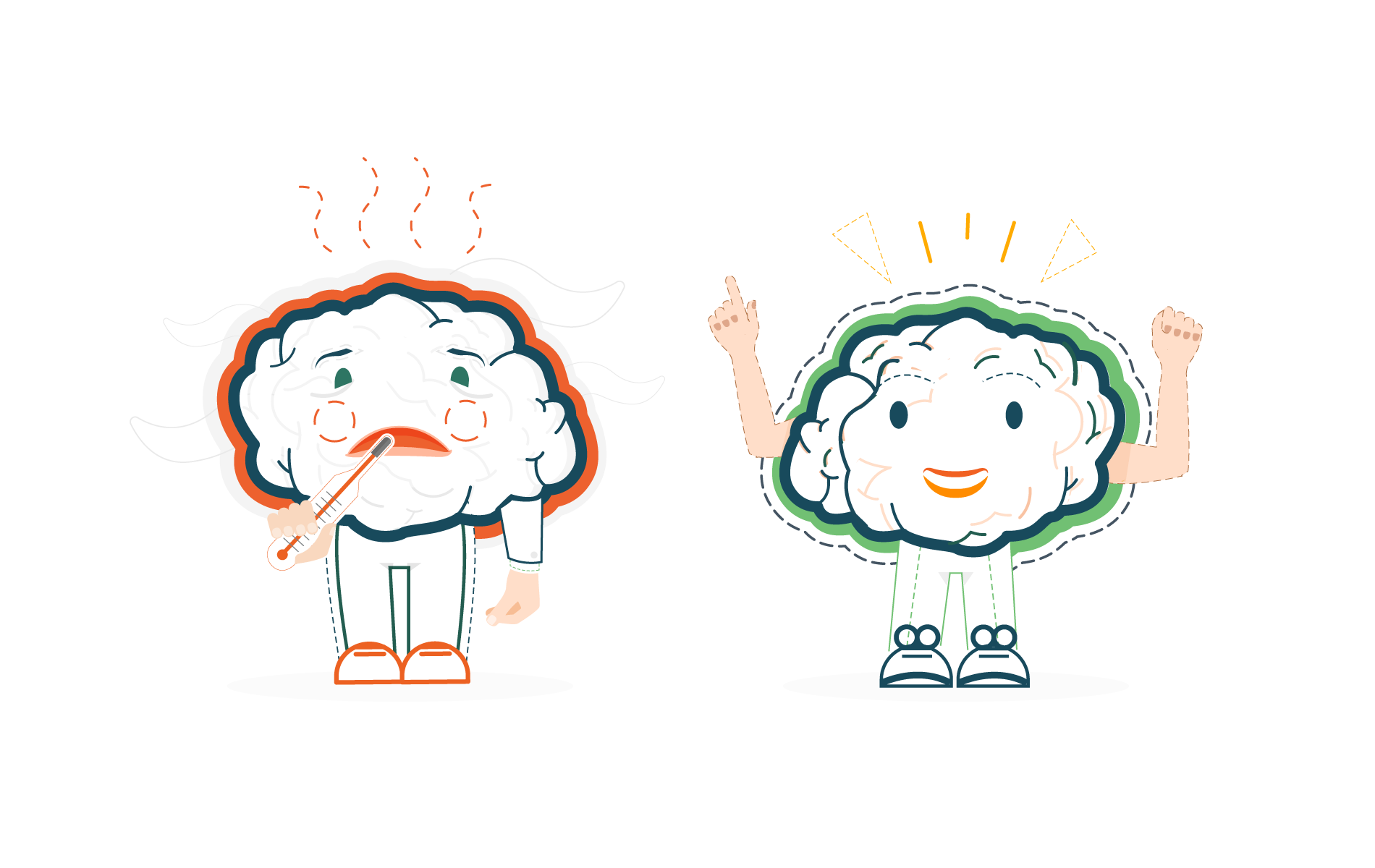
When there’s no clear external demand for our attention, research shows that attention tends to drift inward. The mind starts thinking about the self – memories, plans, worries, hypothetical conversations, what-ifs… this process is called “self-referential thinking”. And it isn’t a flaw – it’s how humans plan, reflect, and make sense of the world. But if you keep attention turned inward for too long, it carries a cost. Prolonged self-focus is linked to rumination – replaying thoughts on a loop, often negative, leading to increased stress and poor wellbeing.

This is where noticing others comes in. You see, when attention moves outward, the brain doesn’t stay in this “rumination” mode. In fact, focusing on external information – especially socially relevant information – reliably reduces activity in this default self-focused neural state. And that shift, small as it seems, changes what your brain is doing in the background.

The seven benefits of noticing others

When you shift your attention outwards, there are seven significant benefits that you can personally gain:

  1. It calms mental “noise”
  2. It improves emotional balance
  3. It sharpens judgement and decision-making
  4. It helps you learn faster
  5. It improves self-awareness
  6. It builds long-term mental resilience
  7. It shifts your mind towards the positives

The science backs this up, too – let’s take a look at how noticing others has been proven to deliver each benefit, and why you might want that in your life.

1. It calms mental “noise”

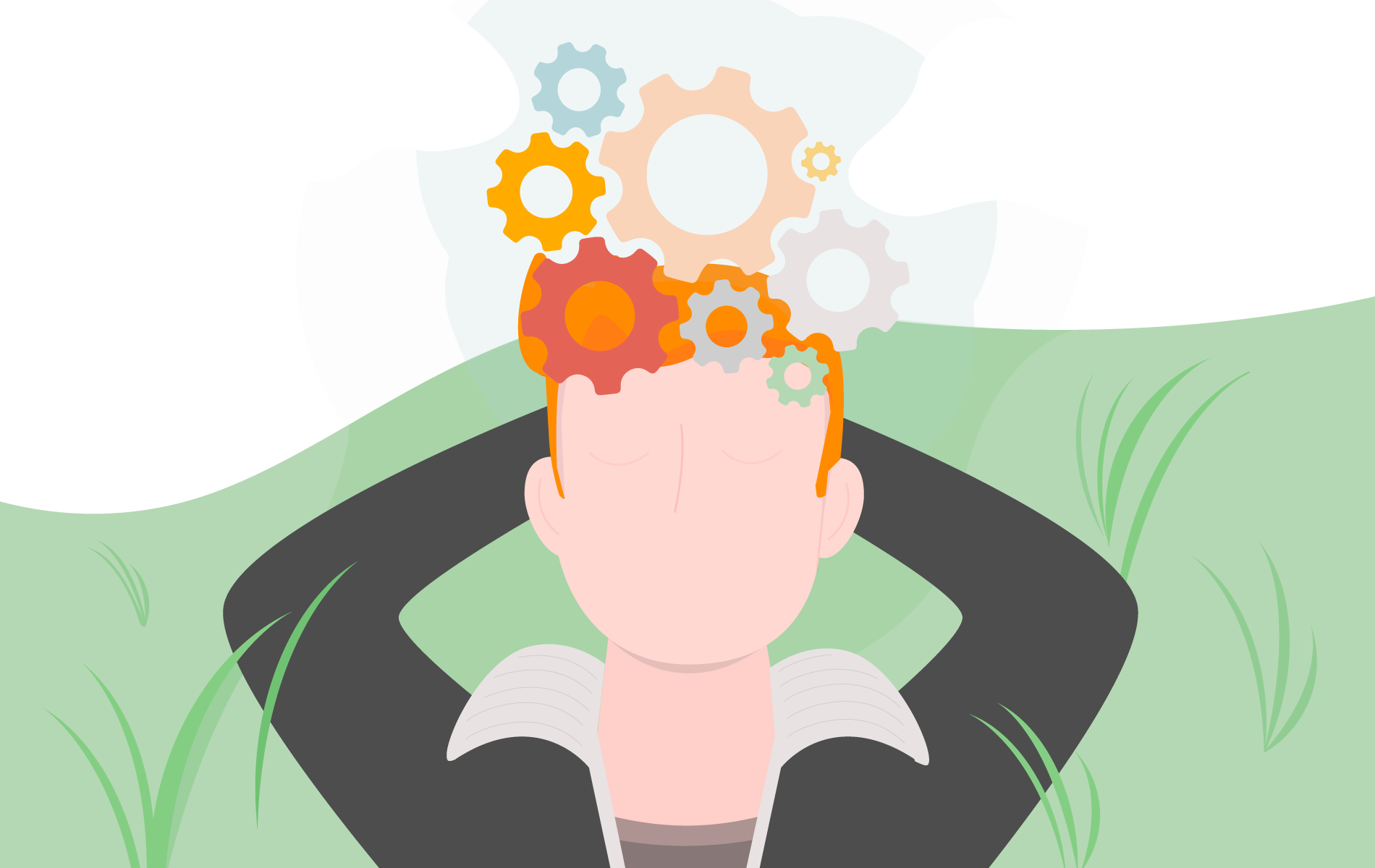
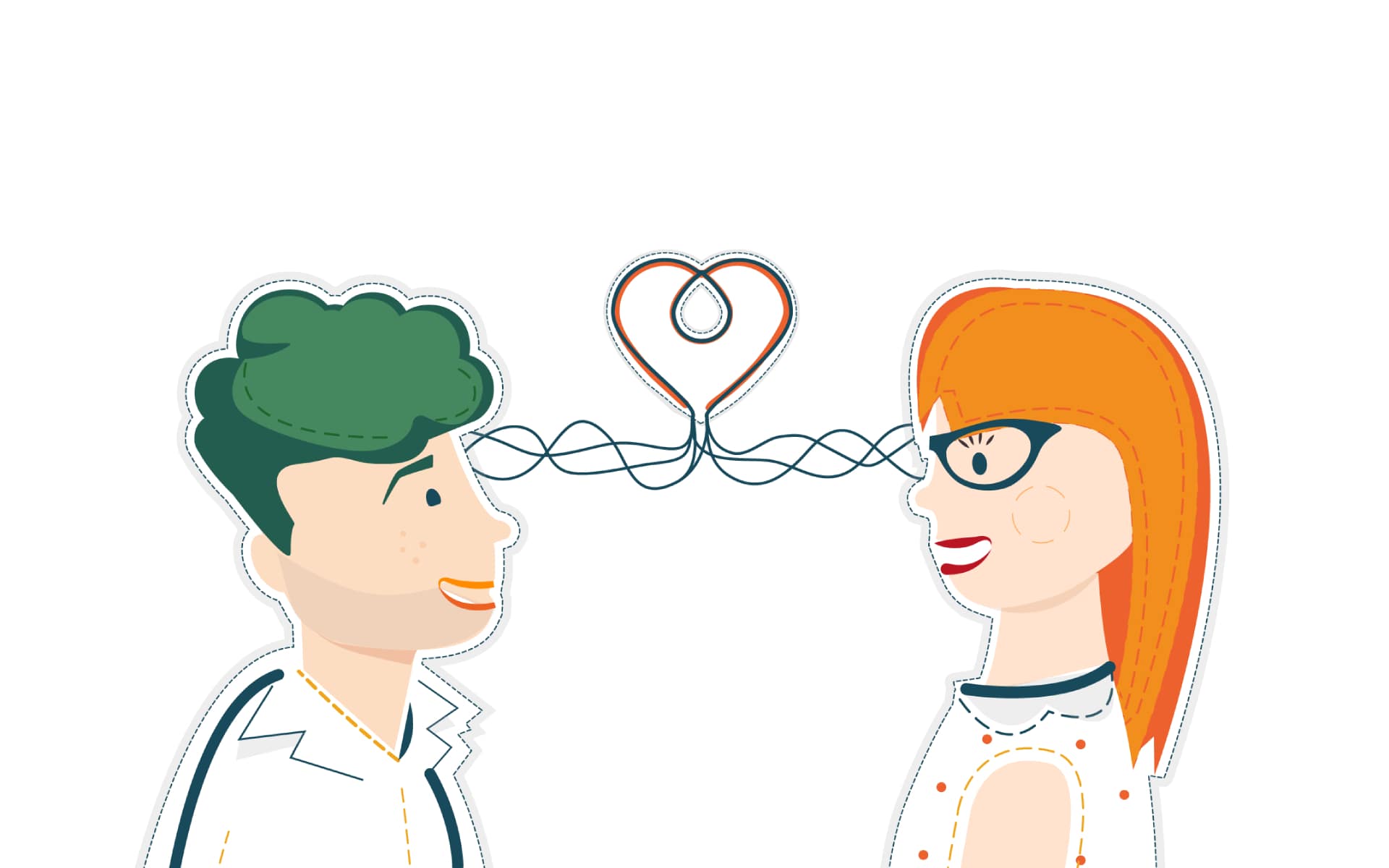
When you notice other people, your mind becomes quieter. Instead of replaying thoughts, worries, or conversations, your attention has somewhere else to go. That shift reduces the constant internal commentary many of us live with and creates a calmer mental environment.

From a psychological perspective, this is closely linked to rumination. The APA describes rumination as repetitive, self-focused thinking that doesn’t lead to resolution and is strongly associated with stress and low mood. And research into mind-wandering shows that when attention is left to drift inward, it often settles on these looping thoughts… whereas engagement with external information – including observing other people, or social situations – reduces this tendency.

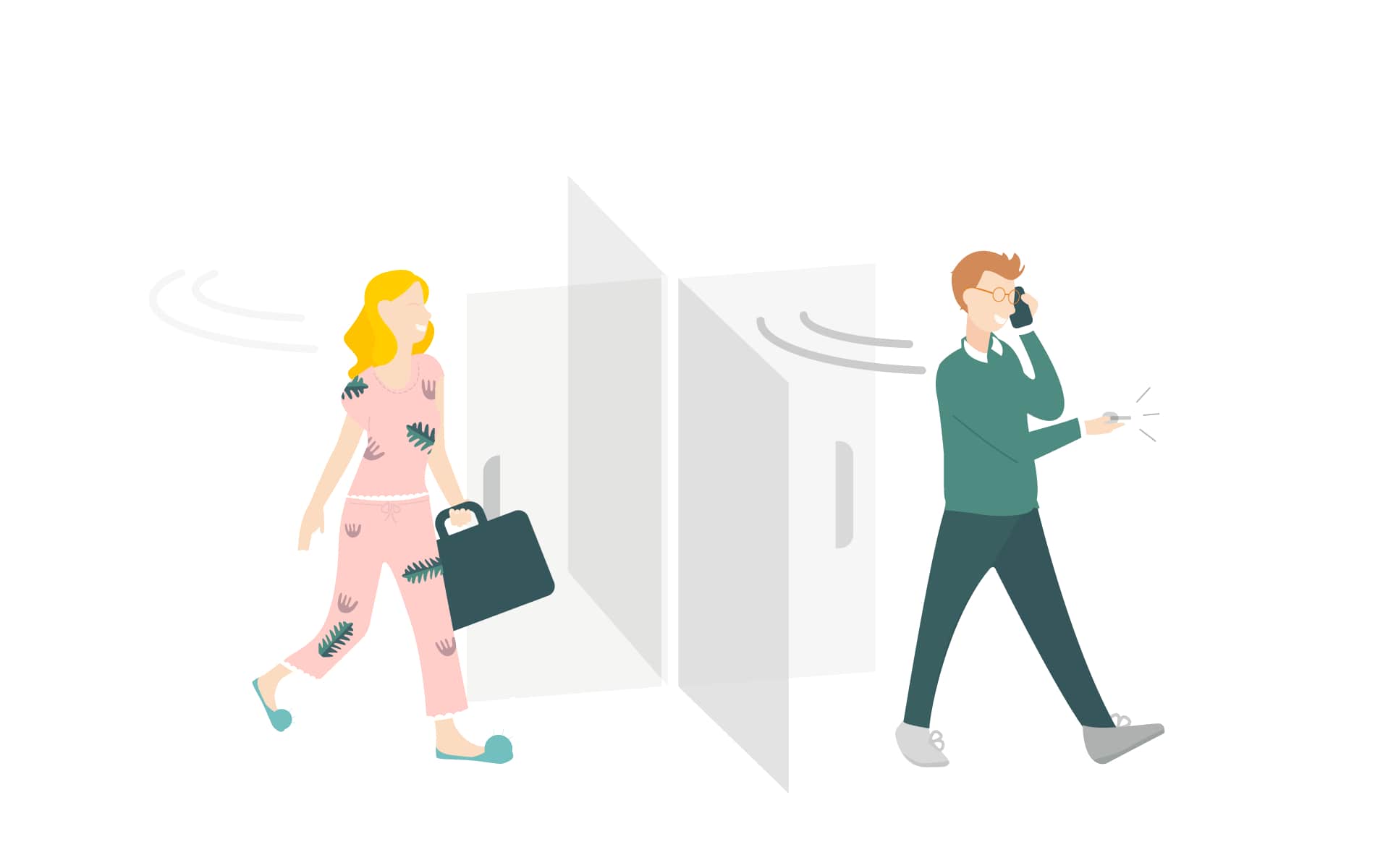
What this might look like in your everyday life, is perhaps that while you’re waiting for a train or walking down the street, you stop running through your to-do lists or replaying earlier conversations, and instead, you take time to notice what the people around you are doing. Watch their pace, study their expressions, and absorb the interactions that are unfolding around you. Remember that you’re not analysing or judging, you’re just paying attention.

Try this the next time you’re out in public left with nothing but your own thoughts – you’ll most likely notice that your frantic thoughts slow down, and the mental background noise drops.

2. It improves emotional balance

When you notice others, your emotional responses tend to become steadier. You’re less likely to overreact to small frustrations or take things personally, because your attention isn’t locked solely on your own internal experience. Instead, emotions are shaped by a wider view of what’s going on around you.

Psychology tells us that emotions are not generated in isolation. Rather, they are influenced by context, cues, and social information. And research into emotional regulation shows that taking in external information helps people interpret situations more accurately, and respond with greater emotional control.

  • You see how situations are unfolding, not just how they feel to you
  • You pick up on cues that soften or reframe your initial reaction
  • You respond with more proportion, rather than impulse

Some people might mistake this for emotional detachment, but that’s not quite what’s happening. You’re not switching your feelings off. You’re simply giving yourself more context before you react.

When you take a moment to notice what’s going on around you – other people’s behaviour, the pace of events, the wider situation - your thinking naturally slows. That pause makes it easier to respond in proportion, rather than react on impulse. And your reaction is also more likely to take in external factors that may soften the way you feel about a situation.

So if somebody speaks to you a little too sharply, or changes plans you were relying on, then of course you’re going to feel hurt, frustrated or annoyed. But when you notice what else is happening, you may find yourself feeling calmer, and reacting more wisely – which leads us nicely onto our next point.

​​3. It sharpens judgement and decision-making

One of the biggest limits on good judgement is how heavily we rely on our own perspective. Psychologists call this egocentric bias – and it’s everywhere. It’s the tendency to overestimate how much our own view reflects reality, and to assume that what we see, think, or feel is shared by others.

It’s actually a shortcut that our brain uses as a way to understand the world. But the problem is that this shortcut often leads to poor decisions. When attention stays inward, we judge situations based on incomplete information. We fill in gaps with assumptions, misread intent, and we overinterpret behaviour.

Research in social psychology shows that taking others into account – even at a basic observational level – reduces these distortions and leads to more accurate interpretations of events. And with better information comes better decisions: calmer responses, fairer assessments, and fewer unnecessary misunderstandings.

4. It helps you learn faster

Psychology shows that a lot of human learning comes from observing others, not only from direct experience. Psychologists call this observational learning. It’s actually a core part of Albert Bandura’s original social learning theory, which explains how people acquire new information and behaviours by watching others rather than through trial and error.

If you’re familiar with Bandura’s work, you’ll know that it emphasizes attention as the very first step – you have to notice others for learning to begin.

Noticing others helps you learn faster, because:

  1. You’re observing patterns of behaviour and responses
  2. You’re seeing the consequences of different approaches as they play out
  3. You’re intuitively building a mental map of “what usually works here”

In practice, this might mean noticing how a colleague defuses tension in a meeting, how a friend handles criticism gracefully, or how someone structures their day to avoid stress. You don’t have to consciously memorize these things. Simply paying attention allows your brain to absorb them, so the next time you face a similar situation, you’re already a step ahead. That’s why people who notice others tend to adapt faster and make fewer avoidable mistakes – there’s no ‘magic’ to it, they’ve simply been “learning by looking.”

5. It improves self-awareness

You may think of self-awareness as something that comes from looking inward. So how can looking outward help you to better understand yourself?

The simple answer is that when you notice how others behave, react, and communicate, you naturally start to see yourself more clearly by comparison. Psychologists describe this as social comparison (Festinger, 1954), a process through which people evaluate their own behaviour and abilities by observing others.

Social comparison has been shown to play a key role in shaping self-perception and self-knowledge, often without any conscious effort. Like in a social situation, when you see who speaks up quickly, who pauses, who asks clarifying questions… you will begin to notice the behaviours that remind you most of yourself, and observe the kinds of reactions they get from other people.

Assessing yourself by observing others makes it easier to adjust how you show up, without getting stuck in self-criticism, or without overthinking particular scenarios where you made yourself cringe.

6. It builds long-term mental resilience

Over time, noticing others quietly strengthens your long-term capacity to handle life’s ups and downs, by building resilience.

Resilience is the ability to adapt well in the face of stress, adversity, or change – to bounce back and keep functioning even when things don’t go your way. And one of the key ingredients researchers have identified for resilience, is supportive social awareness and connection. Put simply, this means that people who pay attention to others and maintain strong social networks tend to cope better with stress and are less likely to develop stress-related problems in the first place. Research also shows that positive social support – which depends on paying attention to others and connecting with them – is directly linked to greater resilience to stress.

This doesn’t mean others “fix” your problems for you. Instead, noticing others builds your own psychological resources. When you see how people adapt to challenges, relate to each other, and respond constructively under pressure, you’re implicitly learning what resilience looks like in practice.

7. It shifts your mind towards the positive

Finally, noticing others shifts your mind towards the positive – assuming, of course, that we choose to look for the good in others.

Psychology describes this in terms of negativity bias: the brain’s tendency to prioritise negative information over positive. According to research discussed by psychologist Rick Hanson, humans evolved to notice problems more readily than positives, because it helped us survive. But that same bias now means we often overlook good qualities in others – unless we deliberately train our attention to see them.

When you start noticing positive traits or actions in the people around you – patience, generosity, effort, humour, calm – it may feel like you’re just trying to “think nice things” about people. But what’s actually happening, is you’re actively changing what your brain is exposed to. Over time, this reduces the dominance of negative thinking patterns and supports a more optimistic, balanced outlook.

How to start noticing others (without making it awkward)

Noticing others doesn’t mean changing your habits. You don’t need to start sitting in a cafe staring out of the window with a pen and paper, writing down what you see. You don’t even need to have an interest in people watching! In fact, the more effort it takes, the less effective it will probably be.

Instead, you simply need to adjust where your attention rests. Which means thinking more consciously about the things that are already happening around you, rather than getting lost in your own thoughts, replaying a social interaction that happened the night before.

A good place to start is by focusing on behaviour, not interpretation. You’re not trying to psychoanalyze people, you don’t need to know what they might be thinking or feeling – you’re just paying attention to their actual behaviour.

That might mean noticing:

  • changes in tone or pace when someone speaks
  • how different people respond to the same situation
  • patterns in how conversations flow or stall

The key is curiosity without judgement. As soon as noticing turns into labelling or guessing motives, it stops being helpful.

It also helps to keep noticing small and ordinary. You don’t need to stare, interrogate, or mentally narrate what’s happening. Brief moments of attention are enough – while walking, waiting, listening, or sitting quietly in a shared space.

And importantly, noticing doesn’t require action. You don’t have to say anything, fix anything, or respond differently straight away. The shift happens in the attention itself.

Read more: The winning psychology of owning your mistakes and apologizing at work

The more often you do this, the more natural it becomes. Over time, your attention starts to move outward by default, and many of the benefits you’ve read about in this article begin to show up without conscious effort.

A small shift that changes a lot

Noticing others is often framed as a social skill, or even as something we do for them. But as the science shows, it’s just as much something we do for ourselves. By shifting attention outward, even briefly, we give our minds a break from constant self-focus, we regulate our emotions, we think more positively, and we learn how to be better people.

None of this requires dramatic change. There’s no checklist to complete or mindset to force. We just have to make small efforts to think more about the outside world. And while that may not feel like much, its impact on how we think, how we feel, and how we cope with everyday life can be surprisingly strong.

200-gratitude-journal-prompts-to-transform-your-life-with-just-5-minutes-per-day
200 Gratitude Journal prompts to transform your life with just 5 minutes per day
what-is-peer-feedback-definition-psychology-and-practical-tips
What is peer feedback? Definition, psychology, and practical tips
workplace-autonomy-why-freedom-at-work-drives-happiness-and-performance
Workplace Autonomy: Why freedom at work drives happiness and performance
the-seven-benefits-to-you-of-noticing-others
The seven benefits to YOU of noticing others
why-christmas-gifts-are-not-to-be-confused-with-employee-recognition
Why Christmas gifts are not to be confused with employee recognition
why-visible-leadership-matters
Why visible leadership matters
five-things-all-great-company-values-have-in-common
Five things ALL great company values have in common
what-employees-want-from-managers-that-matters
Today, it is what employees want from managers that matters
birthday-recognition-the-employer-roi
Birthday recognition: The employer ROI
values-in-action-questrade-building-culture-of-recognition-and-belonging
Values in action: How Questrade is building a culture of recognition and belonging
30-ideas-to-help-a-new-starter-in-their-first-week
30 ideas to help a new starter in their first week
the-value-of-external-feedback-in-the-workplace
The value of external feedback in the workplace
expand-the-power-of-recognition-with-partner-appreciation
Expand the power of recognition with Partner Appreciation
11-fascinating-social-work-theories
11 fascinating social work theories
making-rewards-more-meaningful-with-thousands-of-gift-cards-to-choose-from
Making rewards more meaningful with thousands of gift cards to choose from
what-does-the-sociometer-theory-of-self-esteem-state
What does the Sociometer Theory of Self-Esteem state?
14-qualities-of-any-good-manager
14 qualities of any good manager
winning-psychology-owning-your-mistakes-apologizing-at-work
The winning psychology of owning your mistakes and apologizing at work
the-invisible-productivity-factors
The invisible productivity factors
how-machias-savings-bank-improved-employee-satisfaction-and-increased-commitment-to-company-values
How Machias Savings Bank improved employee satisfaction and increased commitment to company values
great-managers-vs-natural-leaders-whats-the-difference-and-does-it-matter
Great managers vs natural leaders: What’s the difference (and does it matter?)
workstars-now-integrates-seamlessly-with-the-hris-you-use-every-day
Workstars now integrates seamlessly with the HRIS you use every day
ai-in-hr
AI in HR: Where are we at (and where are we going to end up?)
employee-appreciation-day-17-ideas-that-show-you-care
Employee Appreciation Day – 17 ideas that show you care
10-companies-with-employee-feedback-running-through-their-culture
10 companies with employee feedback running through their culture
50-new-virtual-team-building-activities-and-ideas
50 new virtual team building activities and ideas
the-importance-of-self-management-in-the-workplace
The importance of self-management in the workplace
proven-employee-engagement-strategies-every-business-leader-should-know
Proven employee engagement strategies every business leader should know
what-is-employee-morale-and-how-can-you-boost-it
What is employee morale and how can you boost it?
how-to-reward-employees-90-crazy-and-not-so-crazy-ideas
How to reward employees: 90 crazy (and not so crazy) ideas
what-is-employee-empowerment-and-why-is-it-so-important
What is employee empowerment and why is it so important?
the-real-scoop-on-organisational-culture-a-candid-chat
The real scoop on organisational culture: a candid chat
the-cost-of-employee-turnover
The cost of employee turnover
the-importance-of-effective-onboarding
The importance of effective onboarding
creating-a-talent-pipeline-the-ultimate-checklist
Creating a talent pipeline - the ultimate checklist
100-employee-stress-and-relaxation-busters-for-hr
100 employee stress and relaxation busters for HR
100-proven-employee-reward-ideas
100 proven employee reward ideas
40-hr-books-for-the-hr-addict
40 HR books for the HR addict
does-employee-happiness-impact-productivity-yes-and-weve-got-proof
Does employee happiness impact productivity? Yes - and we’ve got proof!
25-hr-trends-for-2022
25 HR trends for 2022
51-super-employee-wellbeing-ideas-the-ultimate-list
51 super employee wellbeing ideas - the ultimate list
how-autonomy-influences-mood-and-productivity
How autonomy influences mood and productivity
what-cipds-good-work-index-2021-reveals-about-how-employees-are-feeling
What CIPD’s Good Work Index 2021 reveals about how employees are feeling
21-reasons-why-we-want-to-return-to-the-office
21 reasons why we want to return to the office
16-habits-for-every-modern-leader
16 habits for every modern leader
podcast-the-importance-of-trust-in-employee-recognition-and-rewards
PODCAST: The importance of trust in employee recognition and rewards
cipd-research-indicates-that-mixing-home-and-office-working-will-increase-substantially
CIPD research indicates that mixing home and office working will increase substantially
24-virtual-office-games-to-bring-back-that-friday-feeling
24 virtual office games to bring back that Friday feeling
uk-benefits-trends-2021-research-provides-insights-into-shifting-priorities
UK benefits trends 2021 research provides insights into shifting priorities
integrating-company-awards-with-social-recognition
Integrating company awards with social recognition
building-a-platform-for-future-success-insights-from-ceridians-2021-pulse-of-talent-survey
Building a platform for future success: Insights from Ceridian’s 2021 Pulse of Talent survey
23-exercise-ideas-and-tips-for-remote-workers
23 exercise ideas and tips for remote workers
cipd-research-what-will-the-post-pandemic-workplace-look-like
CIPD Research: What will the post-pandemic workplace look like?
covid-employee-experience-leadership-lessons-mckinsey-research
COVID & the employee experience - leadership lessons from McKinsey research
introducing-workstars-tv-sharing-great-moments-in-more-places
Introducing Workstars TV – sharing great moments in more places
deloitte-global-millennial-survey-2020-do-millennials-and-generation-z-hold-the-key-to-creating-a-better-normal
The Deloitte Global Millennial Survey 2020: do millennials and Generation Z hold the key to creating a “better normal”?
65-employee-recognition-ideas-ultimate-list
65 employee recognition ideas - the ultimate list
the-power-of-belonging-dissecting-the-center-for-talent-innovations-latest-research
The power of belonging: dissecting The Center for Talent Innovation's latest research
the-impact-of-appreciation-inside-and-outside-work
The impact of appreciation, inside and outside work
the-most-popular-employee-benefit-just-got-fast-tracked-20-years
The most popular employee benefit just got fast-tracked 20 years
31-games-to-play-at-work
31 games to play at work
can-you-scientifically-measure-company-culture
Can you scientifically measure company culture?
30-must-listen-podcasts-for-hr-professionals
33 must-listen podcasts for HR professionals
the-principle-of-workplace-democracy-has-just-got-a-whole-lot-closer
The principle of workplace democracy has just got a whole lot closer
reconciling-organizational-and-personal-values-dissecting-the-ilms-latest-research
Reconciling organizational and personal values: dissecting the ILM’s latest research
50-perfectly-formed-mission-statements
50 perfectly-formed mission statements
why-employees-arrive-motivated-and-leave-demotivated
Why employees arrive motivated - and leave demotivated
11-companies-that-have-adopted-unlimited-holidays-and-what-they-found
11 companies that have adopted unlimited holidays (and what they found)
nine-evidence-based-reasons-to-create-a-culture-of-learning
Nine evidence-based reasons to create a culture of learning
six-businesses-that-have-moved-to-a-four-day-working-week-and-what-they-found
Six businesses that have moved to a four-day working week (and what they found)
why-employees-quit-11-evidence-based-reasons
Why employees quit: 11 evidence-based reasons
10-awesome-employer-brands-and-what-makes-them-great
10 awesome employer brands (and what makes them great)
5-studies-highlighting-the-power-of-intrinsic-motivation
Five studies highlighting the power of intrinsic motivation
why-managers-need-to-understand-contagious-emotions-in-the-workplace
Why managers need to understand contagious emotions
seven-practical-hr-benefits-of-employee-recognition-software
Seven practical HR benefits of employee recognition software
10-ways-to-improve-emotional-safety-in-the-workplace
10 ways to improve emotional safety in the workplace
does-christmas-have-anything-to-do-with-employee-recognition
Does Christmas have anything to do with employee recognition?
what-is-a-high-trust-culture-and-what-are-its-benefits
What is a high trust culture and what are its benefits?
10-companies-getting-workplace-wellbeing-right
10 companies getting workplace wellbeing right
20-companies-leading-the-way-when-it-comes-to-employee-perks-and-benefits
20 companies leading the way when it comes to employee perks and benefits
wellbeing-in-the-workplace-what-does-the-latest-research-say
Wellbeing in the workplace: what does the latest research say?
what-does-using-social-recognition-software-say-about-your-business
What does using social recognition software say about your business?
what-millennials-want-from-work-7-research-backed-truths
What millennials want from work: 7 research-backed truths
engaging-remote-employees-10-companies-leading-the-way
Engaging remote employees: 10 companies leading the way
world-mental-health-day-9-ways-to-support-mental-wellbeing-in-the-workplace
Nine ways to support mental wellbeing in the workplace
the-20-benefits-of-peer-to-peer-recognition
The 20 benefits of peer-to-peer recognition
what-will-be-on-the-2020-hr-agenda
Two great opportunities for HR teams going into 2020
the-impact-of-recognition-on-job-loyalty-and-employee-turnover
The impact of recognition on job loyalty and employee turnover
5-studies-that-show-why-employee-happiness-benefits-the-workplace
Five studies showing how employee happiness and business performance go hand in hand
why-does-hr-lag-behind-when-it-comes-to-using-data
Why does HR lag behind when it comes to using data?
the-employee-recognition-program-no-nos
The employee recognition program no-no’s
employees-faking-engagement
Are some employees faking engagement?
giving-to-charity-at-work
Giving to charity at work
social-recognition-positive-expression-v-hierarchy
Social Recognition: Positive expression v hierarchy
low-productivity-and-long-hours-characterise-modern-british-office-culture-so-wheres-the-engagement
Low productivity and long hours characterize modern British office culture
could-employee-recognition-support-workplace-wellbeing
Could employee recognition support workplace wellbeing?
what-is-the-employee-experience
What is the employee experience?
do-your-employees-have-imposter-syndrome
What is imposter syndrome?
making-work-rewarding-in-over-45-countries
Making work rewarding in 67 countries
workplace-emotional-intelligence-ideas-hr
Why the workplace needs emotional intelligence: ideas and research for HR professionals
trust-employees-studies-showing-power-trust-workplace
Trust Employees: 3 studies showing the power of trust in the workplace
10-slam-dunk-employee-engagement-statistics-for-hr
10 Slam Dunk Employee Engagement Statistics for HR (INFOGRAPHIC)
makes-work-meaningful-prepared-surprise
What makes work meaningful? Be prepared for a surprise
research-links-employee-engagement-customer-loyalty
Research that links employee engagement to customer loyalty
10-knockout-employee-recognition-statistics-for-hr-infographic
10 knockout employee recognition statistics for HR (INFOGRAPHIC)
new-era-reward-material-versus-non-material
A new era of reward: material versus non-material
company-culture-organisations-showing-us-way
Company culture: 4 organisations showing us the way forward
4-examples-nurture-innovation
4 examples of how to nurture innovation
10-perfect-employee-engagement-quotes
10 Perfect Employee Engagement Quotes
team-development-performance-popularity
Team development and performance gains popularity
thinking-about-employee-recognition-6-gratitude-studies-you-need-to-read
Thinking about employee recognition? Six gratitude studies you need to read
5-signs-great-company-culture
5 signs that you have a great company culture
giving-recognition-whats
Giving Recognition: What's in it for me?
employee-recognition-trend-time-money
Employee recognition trend: time over money
social-recognition-2017-game-changer-hr-software-horizon
Social Recognition 2017: A game changer for HR, the software horizon
time-start-appreciating-giggers
Is it time to start appreciating giggers?
peer-peer-recognition-givers-takers-adam-grant
Peer to Peer Recognition: Givers, Takers and Adam Grant
workstars-top-20-time-activity-rewards-2016
Workstars' top 20 time and activity rewards from 2016
case-social-recognition-based-gartner-research-report
The case for Social Recognition: Based on Gartner research report
staff-recognition-82-say-work-harder-appreciated
Staff recognition – 82% say they work harder if appreciated
employee-value-proposition-recognition-social-proof
Employee Value Proposition: Recognition is Social Proof
hr-tech-bersin-deloitte-disruptions-report
5 headlines from Bersin by Deloitte’s HR tech disruptions report
linkedin-research-core-values-recruitment
LinkedIn reveals importance of core values in recruitment
research-value-positive-feedback
Research highlights the value of positive feedback
millennials-want-recognition-freebies
Why millennials want recognition more than freebies
employee-recognition-linked-to-productivity
Employee recognition linked to productivity
employee-recognition-myths
Employee recognition myths
seven-ways-employee-recognition-impacts-engagement
Seven ways employee recognition impacts engagement
every-company-needs-make-employee-recognition-success
Every company needs to make employee recognition a success
recognising-remote-workers-checklist
Recognising remote workers checklist
understanding-psychology-perks
Understanding the psychology of perks
employee-engagement-four-things-no-manager-ignoring
Employee engagement: Four things no manager should be ignoring
can-social-recognition-make-change-management-effective
Can social recognition make change management more effective?
compassion-place-work
Should compassion have a place in work?
workstars-way-using-perks-engagement
Which perks would make you feel recognised at work?
conversations-part-recognition-strategy
Why conversations should be part of your recognition strategy
motivation-personalisation-one-size-fits
Motivation: Personalisation or one size fits all?
motivating-employees-emily-rices-manager
Lessons in motivating employees: meet Emily Rice’s manager
last-thing-employee-recognition-needs-process-prescription
Why the last thing employee recognition needs is process and prescription
really-fun-motivate-employees
Does having fun motivate employees?
perks-connect-employees-employers-challenging-times
Perks connect employees and employers during challenging times
employee-wellbeing-employers-duty-care
Employee Wellbeing: Do employers have a duty of care?
time-flexibility-perks-short-supply-manager-perception-gap-motivation
Time and flexibility perks in short supply: the manager perception gap on motivation
employees-trust-people-focused-managers
Employees trust people focused managers
corporate-social-responsibility-dead-long-live-purpose
Is Corporate Social Responsibility dead? Long live Purpose
regular-real-time-recognition-matter
Does regular real-time recognition matter?
company-culture-social-recognition
Social recognition and a desirable company culture
hr-saas-employee-recognition
HR has embraced SaaS and employee recognition is better for it
employee-wellbeing
Recognition Key Component for Employee Wellbeing
employee-happiness-shocks-strategy
Employee Happiness: Shocks or Strategy?
simple-and-effective-workforce-analytics
Simple and Effective Workforce Analytics
big-or-small-recognition-budget-its-how-you-use-it-that-counts
Big or small recognition budget? It’s how you use it that counts
millennials-and-mobile-are-changing-employee-recognition-for-the-better
Millennials and mobile are changing employee recognition for the better
6-reasons-why-old-school-employee-recognition-programmes-demotivate-millennials
6 reasons why old school employee recognition programmes demotivate millennials
moving-from-reward-to-recognition
Moving from Reward to Recognition
implementing-employee-recognition-programmes-has-never-been-easier
Implementing employee recognition programmes has never been easier
gartner-flag-early-adoption-of-social-recognition
Gartner flag early adoption of social recognition
social-recognition-is-aligned-with-integrity-and-trust
Social recognition is aligned with integrity and trust
talent-retention-through-social-recognition
Talent retention through social recognition
soft-hr-is-hard-and-is-building-hrs-reputation
Soft HR is hard – and it is building HR’s reputation
core-values-in-the-workplace-stop-laminating-start-living
Core Values in the Workplace: Stop Laminating, Start Living.
managing-millennials-why-hr-needs-to-rethink-employee-recognition
Managing millennials: Why HR needs to rethink employee recognition.
the-future-of-hr-technology-enabling-not-controlling
The Future of HR Technology - Enabling not Controlling
giving-is-undervalued-it-is-time-to-change-how-employee-recognition-works
Giving is undervalued, it is time to change how employee recognition works.
the-benefits-of-employee-voice-at-work
The Benefits of Employee Voice at Work
employee-recognition-software
Employee Recognition: Managers who are first class "Noticers".
employee-engagement-gallup
Engagement. I am still waiting for Gallup. Are You?
social-recognition-communication
Social Recognition. The Art & Science of Workplace Communication
recognising-employee-activism
Recognising Employee Activism.
employee-recognition-top-ten
Employee Recognition: 10 for HR in 2015.
social-employee-recognition-programs
In the New Rules of the Social Age, Employee Recognition is a Dinosaur.
social-employee-recognition
Social Recognition. What Is It, And Why?
employee-recognition-programs
Employee Recognition Programs : Why Spending 2% Of Salary Is Bad Advice.
company-values-dont-banker
Company Values : Don't Be A Banker
social-recognition-video
Social Recognition Video : The Future Of Employee Recognition
peer-to-peer-recognition-programs
Social & Peer to Peer Recognition Programs : Is Reward Getting In The Way?
engaging-managers
Engaging Managers: Extrinsic, Intrinsic & The Managers I Want To Work For
imported-item-75
Imported item 75