PricingBook Demonstration
Pricing
Book Demonstration
Your company goals and objectives
Recognition configuration and HR logic
Reward catalogs and budgets
Your data and hierarchy
Manager positioning and your expectations
Dashboards, reporting and HR analytics
Our software, support and services
Going live with Workstars
* Meeting times can be simply changed online

The real scoop on organisational culture: a candid chat

May 23, 2023

Imagine walking into your workplace each day, feeling inspired, motivated, and genuinely connected to the people around you. It's a nice thought, right? Well, this sense of belonging and purpose is more than just a far-off dream; it's the result of a strong and thriving organizational culture.

In today's fast-paced, ever-changing business landscape, understanding and nurturing your organizational culture is more important than ever. But what exactly is organizational culture, and why does it matter so much?

Well, grab your favorite cuppa - because we're about to find out! From exploring the intricacies of organizational culture, to spotting the warning signs of a toxic environment – it's a deep dive, but we promise to make it as fun to read as possible.

Ready to jump in?

So, what's the big deal about organizational culture?

You know that feeling when you walk into a company's office, and you can instantly sense the vibe? Well, that's organizational culture in action! It's the company's personality, the way things are done, and the atmosphere that surrounds everyone. It's a big deal because it really does impact how we feel at work, how we perform, and whether we want to stick around. Let's take a closer look at why it's so important.

First up, organizational culture defines the company's personality. Just like people, companies have their unique traits, too. You might find one company where everyone's super laid back, while another has a more formal and structured atmosphere. The culture sets the tone for how we interact with colleagues, how we approach our work, and even how we dress. It's kind of like the glue that holds everything together, you know?

But it's more than just a "personality". Organizational culture actually impacts employee satisfaction and performance, too! When we feel like we belong and are part of something bigger, it's only natural that we're happier and more motivated. We tend to collaborate better with our colleagues, and we're more likely to go the extra mile. In short, a positive culture can really boost our productivity and make us feel good about the work we do.

Oh, and did you know that organizational culture plays a massive role in attracting and retaining talent, too? Think about it – who wouldn't want to work in a place where they feel valued, respected, and supported? There's a reason successful recruiters harp on about a good culture – a strong organizational culture can be a magnet for top talent and help keep the best employees around for longer. So, it's not just about the here and now; it's also about building a company that can thrive in the long run.

Organizational culture is a pretty big deal. It shapes our experiences at work, affects how well we perform, and plays a key role in attracting and retaining the best talent. So, if you're ready to go a little deeper? Then let's find out what makes up this elusive thing called "organizational culture", and see how we can create a positive one for ourselves!

The building blocks of organizational culture

Alright, so we've established that organizational culture is a pretty big deal, but what exactly goes into making it what it is? There are a few key components that come together to create this unique blend of atmosphere and attitude, and there have actually been plenty of studies designed to find out exactly what these are.

Firstly, let's talk about shared values and beliefs. Every organization has a set of core principles that influence how people work and make decisions. It's sort of like an unwritten rulebook that guides the way everyone behaves, from the big boss to the newest intern. When people share the same values and beliefs, it creates a sense of unity and belonging, which can help keep everyone on the same page and working towards common goals. That's the first ingredient right there.

After that, we've got the company mission and vision. These are like the North Star that guide the organization's direction and purpose. They're more than just a moral compass… sure, they're a way of saying "this is what we stand for" – but they're also a way of saying "this is where we're headed." By having a clear mission and vision, it gives employees a sense of purpose and helps them understand how their work contributes to the bigger picture. Oh, and by the way? This isn't some new fandangled buzzword – research by Bart & Baetz (1998) found that having a strong mission statement can positively influence employee performance, job satisfaction, and even company success.

Here's another important building block: Workplace traditions and rituals. These are the things that help make work more than just a job. It could be anything from the Friday afternoon drinks, to the annual company retreat. These traditions and rituals give employees a chance to bond, celebrate, and have some fun together, all while reinforcing the company's culture and values.

Oh, and of course… we can't talk about the ingredients of organizational culture, without mentioning communication styles and channels. The way people communicate at work can say a lot about the company's culture. For instance, some organizations might be all about having open-door policies and encouraging casual conversations, while others might prefer more formal communication channels like emails and meetings. The key is to find the right balance that works for your organization and helps everyone stay connected and informed.

These are the most important pieces. As you can see, organizational culture is made up of shared values and beliefs, company mission and vision, workplace traditions and rituals, and communication styles and channels. And when all these elements come together, they create a unique atmosphere that defines the way we work and interact with each other.

Why a positive culture matters (more than you might think)

OK, so if you're still finding yourself saying "well that's nice, but it's not for me", then think again. Whether you care about having a nice culture or not, it actually matters way more than you probably realize – and here's why.

First things first, a positive culture can do wonders for employee morale and well-being. When we work in an environment where we feel supported, appreciated, and respected, it naturally boosts our mood and overall well-being. This not only makes us happier at work, but it can also spill over into our personal lives, creating a healthy work-life balance. And if you're still thinking "why should I care?" – then you should think back to the old saying, that happy employees make for a more successful company.

Or, if you want to get a bit more academic, then you might be interested to know that enhanced collaboration and teamwork are also significant benefits of a positive organizational culture. When there's a strong sense of camaraderie and trust among colleagues, people are more likely to work together effectively, share ideas, and help each other out. This kind of cooperation can lead to better problem-solving, increased innovation, and ultimately, better results for the company. In fact, a study by Salas, Sims, and Burke (2005) supports this, showing that effective teamwork can improve overall organizational performance.

Speaking of innovation, a positive organizational culture can also help foster higher levels of creativity. When employees feel comfortable sharing their ideas and taking risks, it can lead to exciting new developments and improvements. A supportive culture that values and encourages innovation can be a real game-changer for organizations looking to stay ahead of the competition and remain relevant in a rapidly changing world.

And a healthy organizational culture can make companies more adaptable to change. We all know that the business world can be unpredictable; being able to pivot and adjust when needed is crucial for long-term success. A positive culture can help employees feel more resilient and open to new ideas, making it easier for organizations to navigate challenges and embrace new opportunities.

So, positive organizational culture really does matter. It can improve employee morale and well-being, enhance collaboration and teamwork, spark creativity and innovation, and help companies adapt to change. But what happens when you get it wrong, and your culture starts heading in the wrong direction?

The dark side: recognizing a toxic organizational culture

Now that we've talked about the positive aspects of a healthy organizational culture, it's essential to be aware of the signs that may indicate a toxic culture. Recognizing these warning signs can help you take action before it's too late, and protect your company's success and employee well-being. So, let's discuss some of the tell-tale signs that an organizational culture might be taking a turn for the worse.

Frequent conflicts and poor communication are often the first indicators of a toxic organizational culture. When employees don't feel comfortable expressing their thoughts or concerns, it can lead to misunderstandings, resentment, and even hostility. So if you're noticing a bit of a hostile vibe when you walk into the office – or even a frosty note in the team chat when you open your laptop – then this is probably a red flag that something is wrong. Open and transparent communication is crucial for maintaining a healthy work environment, and when that breaks down, it can be a sign that something isn't quite right. A study by Pearson and Porath (2009) highlights the negative effects of incivility on employee performance and satisfaction – worth a read, if you're thirsty for more by the time we're done.

But we're not done yet! Another warning sign to look out for is high employee turnover rates. You might not always have your ear to the ground – so if you notice that people are frequently leaving the company, it could be a sign that something's off with the organizational culture. When employees don't feel valued, supported, or engaged, they're more likely speak with their feet, i.e. seek opportunities elsewhere. This can lead to a loss of valuable talent and knowledge, which can hinder a company's growth and success.

Read more: The cost of employee turnover

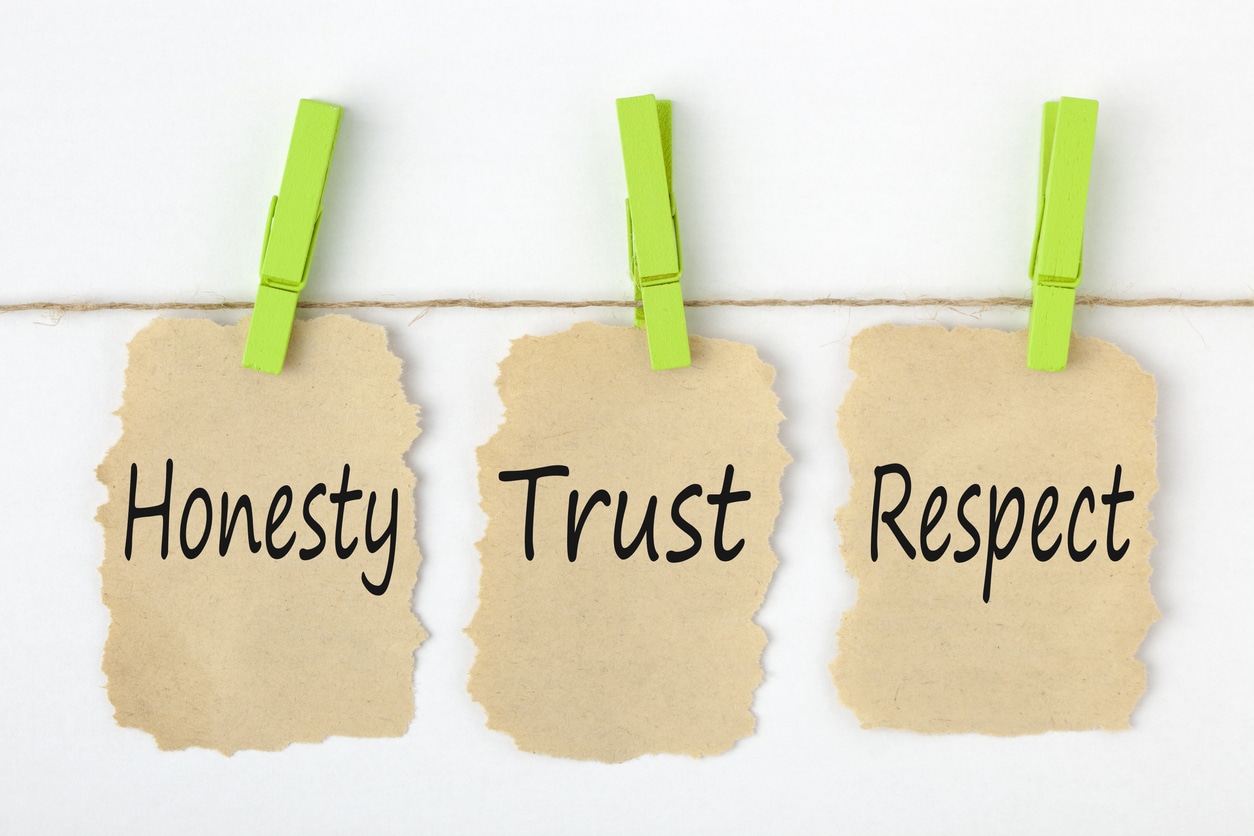
A lack of trust and accountability can also signal a toxic organizational culture. When employees don't trust their colleagues or leadership, it can create a hostile work environment where people are more focused on protecting themselves rather than working together towards common goals. This lack of trust can also lead to a breakdown in accountability, with employees feeling like they can't rely on their teammates or leaders to follow through on commitments.

Lastly, an overemphasis on competition, leading to unhealthy rivalry, can be a sign of a toxic culture. While a bit of friendly competition can be motivating, it becomes problematic when it leads to a cut-throat atmosphere where colleagues view each other as adversaries rather than allies. This can result in a lack of collaboration, sabotage, and a general decline in morale.

It is essential to be aware of the signs of a toxic organizational culture, such as frequent conflicts, high turnover rates, lack of trust, and unhealthy competition. Recognizing these warning signs can help you take action to address the issues and work towards creating a more positive and healthy work environment for everyone. Which is actually a great entry point for us to explore some strategies for revitalizing your organizational culture.

Revamp your culture: tips for turning things around

If you've recognized some warning signs of a toxic organizational culture, don't worry; all is not lost! With a bit of effort and commitment, it's possible to turn things around and create a more positive, supportive work environment. Let's explore some strategies that can help you revitalize your organizational culture and get back on track.

As a starting point, you should embrace transparency and open communication. Encourage employees to share their thoughts, concerns, and ideas without fear of judgment or retribution. This can help to rebuild trust and foster a more collaborative atmosphere. A few ways of doing this include regular town hall meetings, anonymous suggestion boxes, and open-door policies – all effective ways to break down barriers and facilitate open communication. Research from 2014 actually shows that transparent communication can lead to increased trust and engagement in the workplace!

Next, focus on promoting work-life balance. When employees feel overwhelmed or burnt out, it can take a toll on their well-being and productivity. Encourage employees to take breaks, set reasonable expectations for workloads, and be understanding of their personal lives and commitments. By fostering a culture that values balance, you'll not only improve employee satisfaction, but also boost overall performance.

Recognizing and rewarding hard work and achievements is another great way to revitalize your organizational culture. When employees feel that their efforts are noticed and appreciated, it can boost morale and motivate them to continue striving for success. Implement regular employee recognition programs, celebrate team wins, and offer genuine praise for a job well done.

Finally, provide opportunities for personal and professional growth. Offer training programs, mentoring, and other resources to help employees develop new skills and advance in their careers. When employees feel that their company is invested in their success, they're more likely to be engaged and committed to the organization's goals.

Turning around a toxic organizational culture is possible with the right strategies in place. By embracing transparency, promoting work-life balance, recognizing achievements, and providing growth opportunities, you can create a positive, supportive environment where employees thrive.

Now then, where do your leaders fit into all of this?

Leadership's role in shaping organizational culture

As we've seen, organizational culture is a crucial aspect of a company's success and employee well-being. But who sets the tone for this culture? That's right – it all starts at the top with leadership. Let's delve into the critical role leaders play in shaping and maintaining a healthy organizational culture.

Leaders serve as role models for the values and behaviors they want to see within their organization. By exemplifying these traits, they can encourage employees to adopt them as well. For example, if a leader values open communication and demonstrates this through their actions, it's more likely that employees will follow suit. This is nicely proven by research conducted in 2010, which highlights the importance of leaders in establishing and maintaining organizational culture.

But beyond this, leaders are also responsible for setting the company's mission, vision, and goals. If you remember what we talked about earlier, these elements provide a clear sense of direction and purpose for employees, helping them understand their role in the organization's overall success. By defining and communicating these objectives, leaders can inspire and motivate their team to work towards a shared vision.

Read more: 50 perfectly-formed mission statements

Another key aspect of leadership's role in shaping organizational culture, is providing support and resources for employee development. This includes offering training, mentorship, and opportunities for growth. When leaders demonstrate a commitment to their employees' success, it fosters a culture of continuous improvement and learning – and bonus point, it shows people that they're worth the investment. Pride and confidence are highly underrated!

Lastly, leaders play a vital role in maintaining a positive organizational culture by addressing any issues or toxic behaviors that may arise. This involves being proactive in identifying potential problems, listening to employee concerns, and taking appropriate action to resolve conflicts or other issues. By fostering a culture of accountability and addressing problems head-on, leaders can help ensure that their organization remains a healthy and productive place to work.

Your part in the organizational culture puzzle

As we've seen throughout our exploration of organizational culture, it's a vital component of a company's success and employee well-being. While leadership certainly plays a significant role in shaping culture, it's essential to remember that each employee has a part to play in this puzzle as well – and that includes you.

No matter what your position or level of seniority – whether you're the owner or the cleaner – you clearly have an interest in improving your company's culture. So, let's discuss how you can contribute to fostering a positive and thriving organizational culture.

- Being a culture champion and role model:

One of the most effective ways to make a positive impact on your organization's culture is by embodying the values and behaviors you want to see around you. Be a culture champion by actively demonstrating these positive traits and acting as a role model for your colleagues. When others see you embracing the company's values and exhibiting a strong work ethic, they're more likely to follow suit.

- Actively engaging in company initiatives:

Another essential aspect of contributing to a healthy organizational culture, is participating in company initiatives. Whether it's attending team-building events, joining committees, or volunteering for projects, your active engagement shows that you're invested in the company's success and culture. By taking part in these initiatives, you can help create a more connected and collaborative environment.

- Providing feedback and participating in conversations about culture:

Don't be afraid to share your thoughts and opinions on the company's culture. Engage in open conversations with your colleagues and leadership, providing constructive feedback and suggestions for improvement. By participating in these discussions, you can help identify areas for growth and contribute to the ongoing evolution of your organization's culture.

In conclusion, cultivating a thriving organizational culture is a collaborative effort that requires the participation of every employee – including you. By being a culture champion, actively engaging in company initiatives, and providing feedback, you can play a crucial role in shaping a positive and supportive work environment. Let's work together to create a strong organizational culture where both employees and organizations can flourish!

200-gratitude-journal-prompts-to-transform-your-life-with-just-5-minutes-per-day
200 Gratitude Journal prompts to transform your life with just 5 minutes per day
what-is-peer-feedback-definition-psychology-and-practical-tips
What is peer feedback? Definition, psychology, and practical tips
workplace-autonomy-why-freedom-at-work-drives-happiness-and-performance
Workplace Autonomy: Why freedom at work drives happiness and performance
the-seven-benefits-to-you-of-noticing-others
The seven benefits to YOU of noticing others
why-christmas-gifts-are-not-to-be-confused-with-employee-recognition
Why Christmas gifts are not to be confused with employee recognition
why-visible-leadership-matters
Why visible leadership matters
five-things-all-great-company-values-have-in-common
Five things ALL great company values have in common
what-employees-want-from-managers-that-matters
Today, it is what employees want from managers that matters
birthday-recognition-the-employer-roi
Birthday recognition: The employer ROI
values-in-action-questrade-building-culture-of-recognition-and-belonging
Values in action: How Questrade is building a culture of recognition and belonging
30-ideas-to-help-a-new-starter-in-their-first-week
30 ideas to help a new starter in their first week
the-value-of-external-feedback-in-the-workplace
The value of external feedback in the workplace
expand-the-power-of-recognition-with-partner-appreciation
Expand the power of recognition with Partner Appreciation
11-fascinating-social-work-theories
11 fascinating social work theories
making-rewards-more-meaningful-with-thousands-of-gift-cards-to-choose-from
Making rewards more meaningful with thousands of gift cards to choose from
what-does-the-sociometer-theory-of-self-esteem-state
What does the Sociometer Theory of Self-Esteem state?
14-qualities-of-any-good-manager
14 qualities of any good manager
winning-psychology-owning-your-mistakes-apologizing-at-work
The winning psychology of owning your mistakes and apologizing at work
the-invisible-productivity-factors
The invisible productivity factors
how-machias-savings-bank-improved-employee-satisfaction-and-increased-commitment-to-company-values
How Machias Savings Bank improved employee satisfaction and increased commitment to company values
great-managers-vs-natural-leaders-whats-the-difference-and-does-it-matter
Great managers vs natural leaders: What’s the difference (and does it matter?)

workstars-now-integrates-seamlessly-with-the-hris-you-use-every-day
Workstars now integrates seamlessly with the HRIS you use every day
ai-in-hr
AI in HR: Where are we at (and where are we going to end up?)

employee-appreciation-day-17-ideas-that-show-you-care
Employee Appreciation Day – 17 ideas that show you care
10-companies-with-employee-feedback-running-through-their-culture
10 companies with employee feedback running through their culture
50-new-virtual-team-building-activities-and-ideas
50 new virtual team building activities and ideas
the-importance-of-self-management-in-the-workplace
The importance of self-management in the workplace
proven-employee-engagement-strategies-every-business-leader-should-know
Proven employee engagement strategies every business leader should know
what-is-employee-morale-and-how-can-you-boost-it
What is employee morale and how can you boost it?
how-to-reward-employees-90-crazy-and-not-so-crazy-ideas
How to reward employees: 90 crazy (and not so crazy) ideas
what-is-employee-empowerment-and-why-is-it-so-important
What is employee empowerment and why is it so important?
the-real-scoop-on-organisational-culture-a-candid-chat
The real scoop on organisational culture: a candid chat
the-cost-of-employee-turnover
The cost of employee turnover
the-importance-of-effective-onboarding
The importance of effective onboarding
creating-a-talent-pipeline-the-ultimate-checklist
Creating a talent pipeline - the ultimate checklist
100-employee-stress-and-relaxation-busters-for-hr
100 employee stress and relaxation busters for HR
100-proven-employee-reward-ideas
100 proven employee reward ideas
40-hr-books-for-the-hr-addict
40 HR books for the HR addict
does-employee-happiness-impact-productivity-yes-and-weve-got-proof
Does employee happiness impact productivity? Yes - and we’ve got proof!
25-hr-trends-for-2022
25 HR trends for 2022
51-super-employee-wellbeing-ideas-the-ultimate-list
51 super employee wellbeing ideas - the ultimate list
how-autonomy-influences-mood-and-productivity
How autonomy influences mood and productivity
what-cipds-good-work-index-2021-reveals-about-how-employees-are-feeling
What CIPD’s Good Work Index 2021 reveals about how employees are feeling
21-reasons-why-we-want-to-return-to-the-office
21 reasons why we want to return to the office
16-habits-for-every-modern-leader
16 habits for every modern leader
podcast-the-importance-of-trust-in-employee-recognition-and-rewards
PODCAST: The importance of trust in employee recognition and rewards
cipd-research-indicates-that-mixing-home-and-office-working-will-increase-substantially
CIPD research indicates that mixing home and office working will increase substantially
24-virtual-office-games-to-bring-back-that-friday-feeling
24 virtual office games to bring back that Friday feeling
uk-benefits-trends-2021-research-provides-insights-into-shifting-priorities
UK benefits trends 2021 research provides insights into shifting priorities
integrating-company-awards-with-social-recognition
Integrating company awards with social recognition
building-a-platform-for-future-success-insights-from-ceridians-2021-pulse-of-talent-survey
Building a platform for future success: Insights from Ceridian’s 2021 Pulse of Talent survey
23-exercise-ideas-and-tips-for-remote-workers
23 exercise ideas and tips for remote workers
cipd-research-what-will-the-post-pandemic-workplace-look-like
CIPD Research: What will the post-pandemic workplace look like?
covid-employee-experience-leadership-lessons-mckinsey-research
COVID & the employee experience - leadership lessons from McKinsey research
introducing-workstars-tv-sharing-great-moments-in-more-places
Introducing Workstars TV – sharing great moments in more places
deloitte-global-millennial-survey-2020-do-millennials-and-generation-z-hold-the-key-to-creating-a-better-normal
The Deloitte Global Millennial Survey 2020: do millennials and Generation Z hold the key to creating a “better normal”?
65-employee-recognition-ideas-ultimate-list
65 employee recognition ideas - the ultimate list
the-power-of-belonging-dissecting-the-center-for-talent-innovations-latest-research
The power of belonging: dissecting The Center for Talent Innovation's latest research
the-impact-of-appreciation-inside-and-outside-work
The impact of appreciation, inside and outside work
the-most-popular-employee-benefit-just-got-fast-tracked-20-years
The most popular employee benefit just got fast-tracked 20 years
31-games-to-play-at-work
31 games to play at work
can-you-scientifically-measure-company-culture
Can you scientifically measure company culture?
30-must-listen-podcasts-for-hr-professionals
33 must-listen podcasts for HR professionals
the-principle-of-workplace-democracy-has-just-got-a-whole-lot-closer
The principle of workplace democracy has just got a whole lot closer
reconciling-organizational-and-personal-values-dissecting-the-ilms-latest-research
Reconciling organizational and personal values: dissecting the ILM’s latest research
50-perfectly-formed-mission-statements
50 perfectly-formed mission statements
why-employees-arrive-motivated-and-leave-demotivated
Why employees arrive motivated - and leave demotivated
11-companies-that-have-adopted-unlimited-holidays-and-what-they-found
11 companies that have adopted unlimited holidays (and what they found)
nine-evidence-based-reasons-to-create-a-culture-of-learning
Nine evidence-based reasons to create a culture of learning
six-businesses-that-have-moved-to-a-four-day-working-week-and-what-they-found
Six businesses that have moved to a four-day working week (and what they found)
why-employees-quit-11-evidence-based-reasons
Why employees quit: 11 evidence-based reasons
10-awesome-employer-brands-and-what-makes-them-great
10 awesome employer brands (and what makes them great)
5-studies-highlighting-the-power-of-intrinsic-motivation
Five studies highlighting the power of intrinsic motivation
why-managers-need-to-understand-contagious-emotions-in-the-workplace
Why managers need to understand contagious emotions
seven-practical-hr-benefits-of-employee-recognition-software
Seven practical HR benefits of employee recognition software
10-ways-to-improve-emotional-safety-in-the-workplace
10 ways to improve emotional safety in the workplace
does-christmas-have-anything-to-do-with-employee-recognition
Does Christmas have anything to do with employee recognition?
what-is-a-high-trust-culture-and-what-are-its-benefits
What is a high trust culture and what are its benefits?
10-companies-getting-workplace-wellbeing-right
10 companies getting workplace wellbeing right
20-companies-leading-the-way-when-it-comes-to-employee-perks-and-benefits
20 companies leading the way when it comes to employee perks and benefits
wellbeing-in-the-workplace-what-does-the-latest-research-say
Wellbeing in the workplace: what does the latest research say?
what-does-using-social-recognition-software-say-about-your-business
What does using social recognition software say about your business?
what-millennials-want-from-work-7-research-backed-truths
What millennials want from work: 7 research-backed truths
engaging-remote-employees-10-companies-leading-the-way
Engaging remote employees: 10 companies leading the way
world-mental-health-day-9-ways-to-support-mental-wellbeing-in-the-workplace
Nine ways to support mental wellbeing in the workplace
the-20-benefits-of-peer-to-peer-recognition
The 20 benefits of peer-to-peer recognition
what-will-be-on-the-2020-hr-agenda
Two great opportunities for HR teams going into 2020
the-impact-of-recognition-on-job-loyalty-and-employee-turnover
The impact of recognition on job loyalty and employee turnover
5-studies-that-show-why-employee-happiness-benefits-the-workplace
Five studies showing how employee happiness and business performance go hand in hand
why-does-hr-lag-behind-when-it-comes-to-using-data
Why does HR lag behind when it comes to using data?
the-employee-recognition-program-no-nos
The employee recognition program no-no’s
employees-faking-engagement
Are some employees faking engagement?
giving-to-charity-at-work
Giving to charity at work
social-recognition-positive-expression-v-hierarchy
Social Recognition: Positive expression v hierarchy
low-productivity-and-long-hours-characterise-modern-british-office-culture-so-wheres-the-engagement
Low productivity and long hours characterize modern British office culture
could-employee-recognition-support-workplace-wellbeing
Could employee recognition support workplace wellbeing?
what-is-the-employee-experience
What is the employee experience?
do-your-employees-have-imposter-syndrome
What is imposter syndrome?
making-work-rewarding-in-over-45-countries
Making work rewarding in 67 countries
workplace-emotional-intelligence-ideas-hr
Why the workplace needs emotional intelligence: ideas and research for HR professionals
trust-employees-studies-showing-power-trust-workplace
Trust Employees: 3 studies showing the power of trust in the workplace
10-slam-dunk-employee-engagement-statistics-for-hr
10 Slam Dunk Employee Engagement Statistics for HR (INFOGRAPHIC)
makes-work-meaningful-prepared-surprise
What makes work meaningful? Be prepared for a surprise
research-links-employee-engagement-customer-loyalty
Research that links employee engagement to customer loyalty
10-knockout-employee-recognition-statistics-for-hr-infographic
10 knockout employee recognition statistics for HR (INFOGRAPHIC)
new-era-reward-material-versus-non-material
A new era of reward: material versus non-material
company-culture-organisations-showing-us-way
Company culture: 4 organisations showing us the way forward
4-examples-nurture-innovation
4 examples of how to nurture innovation
10-perfect-employee-engagement-quotes
10 Perfect Employee Engagement Quotes
team-development-performance-popularity
Team development and performance gains popularity
thinking-about-employee-recognition-6-gratitude-studies-you-need-to-read
Thinking about employee recognition? Six gratitude studies you need to read
5-signs-great-company-culture
5 signs that you have a great company culture
giving-recognition-whats
Giving Recognition: What's in it for me?
employee-recognition-trend-time-money
Employee recognition trend: time over money
social-recognition-2017-game-changer-hr-software-horizon
Social Recognition 2017: A game changer for HR, the software horizon
time-start-appreciating-giggers
Is it time to start appreciating giggers?
peer-peer-recognition-givers-takers-adam-grant
Peer to Peer Recognition: Givers, Takers and Adam Grant
workstars-top-20-time-activity-rewards-2016
Workstars' top 20 time and activity rewards from 2016
case-social-recognition-based-gartner-research-report
The case for Social Recognition: Based on Gartner research report
staff-recognition-82-say-work-harder-appreciated
Staff recognition – 82% say they work harder if appreciated
employee-value-proposition-recognition-social-proof
Employee Value Proposition: Recognition is Social Proof
hr-tech-bersin-deloitte-disruptions-report
5 headlines from Bersin by Deloitte’s HR tech disruptions report
linkedin-research-core-values-recruitment
LinkedIn reveals importance of core values in recruitment
research-value-positive-feedback
Research highlights the value of positive feedback
millennials-want-recognition-freebies
Why millennials want recognition more than freebies
employee-recognition-linked-to-productivity
Employee recognition linked to productivity
employee-recognition-myths
Employee recognition myths
seven-ways-employee-recognition-impacts-engagement
Seven ways employee recognition impacts engagement
every-company-needs-make-employee-recognition-success
Every company needs to make employee recognition a success
recognising-remote-workers-checklist
Recognising remote workers checklist
understanding-psychology-perks
Understanding the psychology of perks
employee-engagement-four-things-no-manager-ignoring
Employee engagement: Four things no manager should be ignoring
can-social-recognition-make-change-management-effective
Can social recognition make change management more effective?
compassion-place-work
Should compassion have a place in work?
workstars-way-using-perks-engagement
Which perks would make you feel recognised at work?
conversations-part-recognition-strategy
Why conversations should be part of your recognition strategy
motivation-personalisation-one-size-fits
Motivation: Personalisation or one size fits all?
motivating-employees-emily-rices-manager
Lessons in motivating employees: meet Emily Rice’s manager
last-thing-employee-recognition-needs-process-prescription
Why the last thing employee recognition needs is process and prescription
really-fun-motivate-employees
Does having fun motivate employees?
perks-connect-employees-employers-challenging-times
Perks connect employees and employers during challenging times
employee-wellbeing-employers-duty-care
Employee Wellbeing: Do employers have a duty of care?
time-flexibility-perks-short-supply-manager-perception-gap-motivation
Time and flexibility perks in short supply: the manager perception gap on motivation
employees-trust-people-focused-managers
Employees trust people focused managers
corporate-social-responsibility-dead-long-live-purpose
Is Corporate Social Responsibility dead? Long live Purpose
regular-real-time-recognition-matter
Does regular real-time recognition matter?
company-culture-social-recognition
Social recognition and a desirable company culture
hr-saas-employee-recognition
HR has embraced SaaS and employee recognition is better for it
employee-wellbeing
Recognition Key Component for Employee Wellbeing
employee-happiness-shocks-strategy
Employee Happiness: Shocks or Strategy?
simple-and-effective-workforce-analytics
Simple and Effective Workforce Analytics
big-or-small-recognition-budget-its-how-you-use-it-that-counts
Big or small recognition budget? It’s how you use it that counts
millennials-and-mobile-are-changing-employee-recognition-for-the-better
Millennials and mobile are changing employee recognition for the better
6-reasons-why-old-school-employee-recognition-programmes-demotivate-millennials
6 reasons why old school employee recognition programmes demotivate millennials
moving-from-reward-to-recognition
Moving from Reward to Recognition
implementing-employee-recognition-programmes-has-never-been-easier
Implementing employee recognition programmes has never been easier
gartner-flag-early-adoption-of-social-recognition
Gartner flag early adoption of social recognition
social-recognition-is-aligned-with-integrity-and-trust
Social recognition is aligned with integrity and trust
talent-retention-through-social-recognition
Talent retention through social recognition
soft-hr-is-hard-and-is-building-hrs-reputation
Soft HR is hard – and it is building HR’s reputation
core-values-in-the-workplace-stop-laminating-start-living
Core Values in the Workplace: Stop Laminating, Start Living.
managing-millennials-why-hr-needs-to-rethink-employee-recognition
Managing millennials: Why HR needs to rethink employee recognition.
the-future-of-hr-technology-enabling-not-controlling
The Future of HR Technology - Enabling not Controlling
giving-is-undervalued-it-is-time-to-change-how-employee-recognition-works
Giving is undervalued, it is time to change how employee recognition works.
the-benefits-of-employee-voice-at-work
The Benefits of Employee Voice at Work
employee-recognition-software
Employee Recognition: Managers who are first class "Noticers".
employee-engagement-gallup
Engagement. I am still waiting for Gallup. Are You?
social-recognition-communication
Social Recognition. The Art & Science of Workplace Communication
recognising-employee-activism
Recognising Employee Activism.
employee-recognition-top-ten
Employee Recognition: 10 for HR in 2015.
social-employee-recognition-programs
In the New Rules of the Social Age, Employee Recognition is a Dinosaur.
social-employee-recognition
Social Recognition. What Is It, And Why?
employee-recognition-programs
Employee Recognition Programs : Why Spending 2% Of Salary Is Bad Advice.
company-values-dont-banker
Company Values : Don't Be A Banker
social-recognition-video
Social Recognition Video : The Future Of Employee Recognition
peer-to-peer-recognition-programs
Social & Peer to Peer Recognition Programs : Is Reward Getting In The Way?
engaging-managers
Engaging Managers: Extrinsic, Intrinsic & The Managers I Want To Work For
imported-item-75
Imported item 75