Book Demonstration



Employee engagement isn't just another buzzword in the corporate dictionary; it's the driving force behind a thriving organization. When your employees are invested in their jobs - and what we mean by this, is not merely completing tasks, but passionately contributing towards the business goals - well, that's when the magic happens. Productivity soars, job satisfaction rises, innovation flourishes, and your bottom line benefits.
This article will take you on a journey of understanding the critical importance of employee engagement, the key factors that drive it, and the negative impact of disengagement. We will delve into proven strategies to boost engagement, discuss how to measure your efforts effectively and identify the challenges you might face along the way.
Our guide also takes a peek into the future, exploring how engagement strategies may evolve. If you're a business leader striving for a vibrant, motivated, and engaged workforce, you're in the right place. Let's get started.
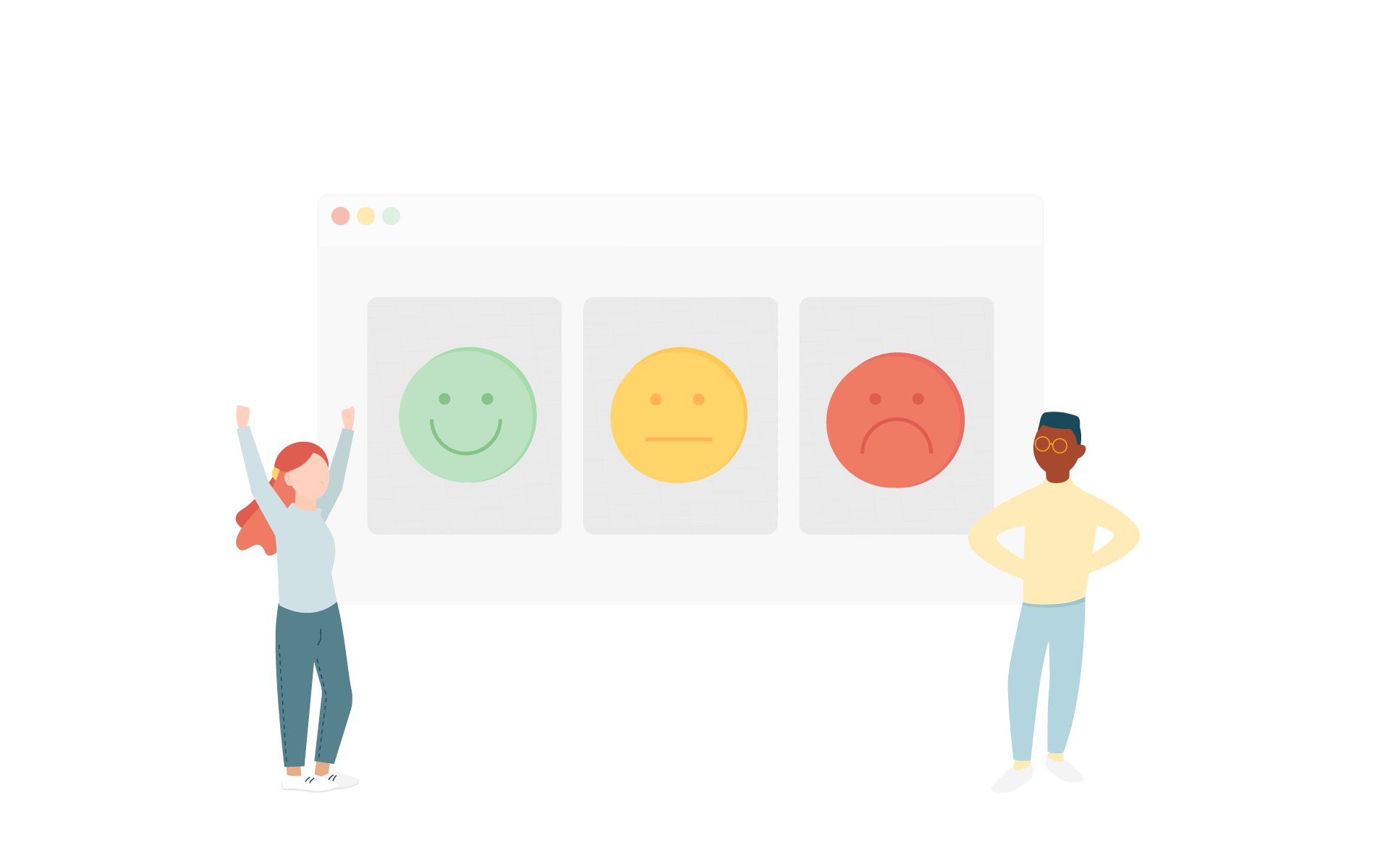
The term 'employee engagement' often gets tossed around in corporate circles, but what does it really mean? Picture an employee who doesn't just clock in and out. Instead, this individual is emotionally invested in their work and the company's goals. They aren't merely satisfied, paid, or present—they're truly engaged.
The distinction between a 'satisfied' employee and an 'engaged' one is akin to the difference between someone watching a riveting sports game and someone actually playing it. The engaged employee doesn't just show up; they suit up and take the field, eager to play their part in the team's success.
So, why is employee engagement important? Here's the simple answer: Engaged employees fuel successful businesses. They are more productive, exhibit lower turnover rates, provide better customer service, and drive more profits.
According to a report by Gallup, organizations that scored in the top quartile of employee engagement outperformed those in the bottom quartile by 21% in productivity and a whopping 22% in profitability. But that's not all. Engaged employees are more likely to stay with their organizations. In the same study, Gallup found a 25% lower employee turnover in high-turnover organizations and a 65% lower turnover in low-turnover organizations.
By investing in employee engagement, companies don't just improve their workplace environment—they set the stage for sustainable growth. So the next time you see your employees deeply engrossed in their work, know that they are the secret ingredients in your recipe for success.
There's a flip side to all of this. And it's not rocket science, either - it's simply that disengaged employees have the opposite effect.
Sometimes, it helps to think of disengaged employees as hidden icebergs threatening to sink your corporate ship. On the surface, they might just seem like another team member getting through their workday. But delve beneath, and you'll find a significant challenge that can erode your organization's productivity, morale, and ultimately, its bottom line.
A disengaged employee is essentially the antithesis of an engaged one. They clock in and out, do the minimum necessary to get by, and are largely indifferent to the company's goals or successes. This lack of commitment doesn't just drain their potential; it creates a ripple effect that can demotivate other team members and impact overall productivity.
So, how much does employee disengagement cost? Brace yourself for the numbers. A study by The Engagement Institute found that disengaged employees can cost organizations between $450 and $550 billion each year in lost productivity. Yes, you read that right—billions!
A prime example of this impact is the story of a Fortune 500 company that noticed a gradual decline in their market share. After an internal audit, they discovered that a significant portion of their staff felt disengaged, leading to decreased productivity and reduced customer satisfaction. A change in their engagement strategy not only halted the decline but led to an impressive rebound in market share.
The lesson? Disengagement doesn't just result in a lackluster workforce; it translates into quantifiable losses and missed opportunities for growth.
The upside is that it's a solvable problem. By addressing employee engagement, you're investing in more than just job satisfaction - you're actively steering your company toward success.
If we've convinced you that employee engagement is important, then maybe you're now wondering what makes it happen.
Well, much like the quest for the 'secret sauce' in a chef's masterpiece, understanding what sparks employee engagement can seem elusive. However, just as with any recipe, the formula for engagement also revolves around a few key ingredients. So let's start by digging into these motivational catalysts that stir up engagement in the workplace.
As a leader, your role in fostering these factors is crucial. Your actions set the tone for the company culture and show your team what you value. So roll up your sleeves and lead by example. Show recognition, provide opportunities, build trust, promote balance, and prioritize well-being. In doing so, you won't just boost engagement; you'll create a workplace where people love to work.
Engaging your employees doesn't require a magic wand—instead, it calls for purposeful strategies that align with your team's needs and aspirations. Let's explore a few of these game-changing approaches - and you'll notice that they all link to the key drivers we just discussed.
It starts with creating a strong open communication culture. This is foundational to employee engagement. When employees feel heard and understood, they're more likely to contribute their best work. So, foster a culture where employees can voice their thoughts, ideas, and concerns without fear of reprisal - and that might mean you need to bite your tongue through some pretty extreme ideas or opinions, but trust us, it will be worth it.
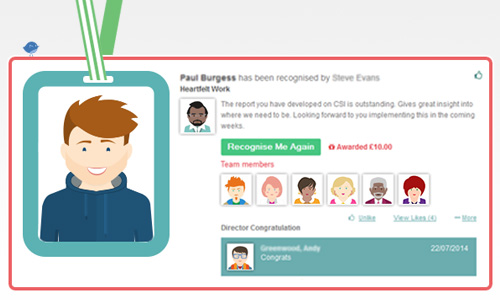
Next, invest in employee recognition programs. These can range from 'Employee of the Month' awards to spot bonuses or even heartfelt notes of appreciation. When the global consulting firm Deloitte implemented a program like this, they saw a staggering 14% increase in their employees' engagement levels.
Then we have learning and development. You should never underestimate the power of learning and development opportunities. Whether it's sponsoring professional certifications, providing an online learning platform, or creating internal mentoring programs, your investment in employee growth will pay dividends in engagement. Google's '20% Time' policy, which allows employees to dedicate 20% of their time to side projects, has not only boosted engagement but also birthed some of its best innovations, including Gmail and AdSense.
Then we have Work-life balance. This is not a luxury—it's a necessity. Flexible work hours, remote work policies, or even ensuring employees take regular breaks can go a long way in promoting balance. When the tech giant Microsoft trialled a four-day workweek in Japan, they actually experienced a 40% surge in productivity. And while this may not be for every company structure, sometimes you do have to leave your comfort zone to find the big gains.
Finally, creating an inclusive culture is crucial. A workplace where everyone feels valued and accepted boosts engagement, creativity, and retention. When pharmaceutical giant Johnson & Johnson emphasized diversity and inclusion, they saw their innovation revenue (revenue from recently launched products) rise from 17% to 20%.
As for implementing these strategies, here are a few tips:
- Customization is key: Not every strategy will work for every team. Understand your employees' needs before deciding which strategies to adopt.
- Communication is crucial: Keep your team in the loop about any changes or initiatives.
- Patience is paramount: Change takes time. Don't expect immediate results, and be ready to adapt and adjust your strategies as needed.
Remember, building an engaged workforce is more of a marathon than a sprint. But with the right strategies and a dash of perseverance, you'll see transformative results.
"Measurement is the first step that leads to control and eventually to improvement."
This quote from process improvement guru H. James Harrington rings particularly true when it comes to employee engagement. You can't manage, let alone improve, what you don't measure.
So how do you measure the effectiveness of your engagement strategies? One approach is to look at certain key performance indicators (KPIs) that provide insights into your employees' engagement levels. These can include turnover rates, absenteeism, productivity metrics, or customer satisfaction scores.
For example, if you notice a significant drop in turnover or absenteeism following the implementation of a new engagement strategy, that's a clear sign it's working. Conversely, if productivity or customer satisfaction takes a dive, you may need to revisit your approach.
Surveys are another invaluable tool for measuring engagement. Regularly seeking feedback about your employees' experiences, their feelings about the company, and their suggestions for improvement can provide rich data about their engagement levels.
There's no shortage of tools and technologies available to aid in your measurement endeavors. Employee engagement platforms, like Peakon or Glint, offer real-time engagement analytics. Tools like these can provide valuable data about the state of your workforce and highlight areas that need attention.
Remember, while numbers and data are crucial, they don't tell the whole story. Pair your quantitative analysis with qualitative insights—open conversations, one-on-one meetings, and observation. This blend of data and empathy will give you a comprehensive picture of your organization's engagement and guide you toward meaningful improvements.
Navigating the path to higher employee engagement isn't always smooth. You'll encounter hurdles, roadblocks, and perhaps even a few detours. But fear not—every challenge is an opportunity for growth. Let's identify some common obstacles and discuss strategies to conquer them.
We can also glean some wisdom from industry leaders who've successfully navigated these challenges. Remember the sage advice of Richard Branson: "Clients do not come first. Employees come first. If you take care of your employees, they will take care of the clients."
Make your employees your focus, and they'll carry your business to heights you never imagined.
Looking ahead, we can anticipate that the world of employee engagement will continue to evolve. The workplaces of the future will likely be shaped by emerging trends, technologies, and changing employee expectations. Let's gaze into our crystal ball and explore the future landscape of employee engagement.
However, the essence of engagement will remain constant: it's about building a work environment where employees feel valued, heard, and motivated to contribute their best. No matter what the future holds, the heart of employee engagement will always beat to the rhythm of respect, recognition, and growth.

.png)