PricingBook Demonstration
Pricing
Book Demonstration
Your company goals and objectives
Recognition configuration and HR logic
Reward catalogs and budgets
Your data and hierarchy
Manager positioning and your expectations
Dashboards, reporting and HR analytics
Our software, support and services
Going live with Workstars
* Meeting times can be simply changed online

16 habits for every modern leader

June 24, 2021

The world around us is changing, and leaders are having to evolve. Not only are we seeing massive generational differences manifest themselves across our global workforce, but we are also facing a growing shift towards remote working and mental health awareness.

Further to this, social media and open review sites such as Glassdoor are forcing employers to be more accountable. We believe this is a good thing - but we also recognize that it's a challenge to navigate.

So we've picked out some of the most effective ideas and angles we've seen by some of the most successful modern leaders in the world today. If you want to improve your influence and become a better leader in this evolving world of work, then these 16 habits are for you.

1. Take risks

Great leaders are willing to take risks. That doesn't mean there's anything wrong with being risk averse - but if you constantly try to play it safe, then you might not be modern leader material.

The good thing about risk-taking is that it's a win-win situation. Or, as Dr Sharon Porter puts it, writing for Forbes: "You win or you learn."

Dr Porter explains that taking risks means moving forward despite fear and/or uncertainty. If your risk pays off, great. But if it doesn't? Then at least you learn a lesson - we cannot grow as leaders, without experiencing discomfort along the way.

Remember though, that taking risks does not mean behaving erratically. As a leader, you should still aim to calculate your risks and prepare for the different potential outcomes. This does not mean there's no chance of failure - failure will, and should, be an outcome, as we'll see in point two below.

2. Make mistakes

So many leaders are afraid of making mistakes. This is perhaps because one of the more outdated schools of thought is that leaders should be perfect, and all-knowing. This is, of course, far from true.

Modern leaders show the people they lead that it is OK to get things wrong. They create a safe environment where people are not afraid to step out of their comfort zone, and where they are not punished for making mistakes. And the best way to create this environment is to lead by example - by making mistakes yourself. Not only will this help others, but you'll learn and develop as a person, too.

But while understanding the benefits of making mistakes may be a trait of modern leaders, it's certainly not a new concept. After all, it was Albert Einstein who famously said that "anyone who has never made a mistake has never tried anything new."

3. Smash the glass ceiling

If you think that something is too ambitious to achieve, then chances are you'll never achieve it. Not because you can't, but because you're putting a glass ceiling over your ambitions.

This behavior rubs off on the people you're trying to lead - which is why you should always shoot for the stars.

Sure, you might not always get where you're going. But you've got to at least believe you can. Modern leaders don't place limits on success.

4. Stop micromanaging

Micromanagement is such an ineffective practice, yet there are still dense pockets where this outdated practice continues to crush true productivity.

In almost all situations, employees are less productive when you try to manage their time for them. Not only does it feel condescending, but you can make people feel like they're trapped. What's more, you're basically telling people that you don't trust them to take care of their own responsibilities.

Modern leaders set goals and outcomes, but they don't try to dictate every single step required to get there.

5. Practice situational humility

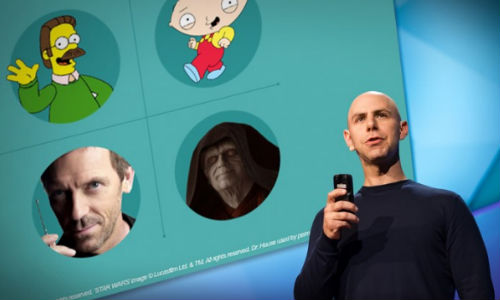
In a fantastic Ted Talk on the topic of Teaming, Harvard Business School professor Amy Edmondson says that in all situations where teams succeed, the leader shows situational humility.

Situational humility is recognizing that you're probably not the key expert in any given situation. Or, as Amy Edmondson describes it, "when teaming works, you can be sure that leaders at all levels were crystal clear that they didn't have all the answers."

When you stop trying to play the part of supreme expert and start recognizing the expertise of those around you, people will respect you more as a leader - which is why modern leaders practice situational humility.

6. Do something fun with your team

Forget team-building exercises and workshops. Stop thinking about constructive games that focus on trust. And instead, do something fun with your team. Something 100% unrelated to work.

Look, team building is not bad. But the best leaders in this day and age understand the importance of simply having fun with their teams - and this means temporarily forgetting the need to achieve something as a result of it.

Read more: 31 games to play at work

This is fun for fun's sake.

Go bowling. Play some basketball. Watch a movie. Host a stand up comedy evening. Buy a ping pong table and randomly challenge people to a game during the day.

It doesn't matter what you do, as long as the pure focus is fun, and nothing else.

7. Ask lots of questions

Modern leaders ask questions. No, not questions like "why did you take so long on your lunch break?" Questions like "what's the best way to do X?", or "which software would you recommend for Y?"

When you ask for the expertise of the people you lead, you will help them to feel more valuable. But you'll also learn a ton of stuff yourself!

Remember that the goal of a modern leader should be to ask lots of questions - but the magic ingredient is curiosity, not interrogation.

8. Lead by example

Long gone are the days of dictating what you want from your leather chair. Modern leaders climb right into the trenches with the people they're leading.

If you want to demonstrate a good telephone manner, then start answering the phone to your customers. And if you want employees to take a real break during their lunch hour, stop working through yours.

What people see you doing, they will assume it's what you want from them. So lead by example, and good results tend to follow.

9. Hire people with soft skills

There was once a time when "soft skills" got a lot of sneers. You know, like "so what if you're a people person!? It doesn't make you good at your job!"

But actually, soft skills are becoming some of the most sought-after qualities to add to your team. Skills like empathy, compassion, curiosity and creativity - they're all so very important for helping a team move smoothly.

Soft skills are also the hardest skills for machines to replicate. Machines have not yet mastered creativity, empathy, or even true curiosity. So as artificial intelligence continues to become a bigger part of our daily lives, modern leaders are finding that the "human side" of humans is becoming more important than ever.

10. Encourage people to disagree with you

It's easy to surround yourself with "yes men". After all, it feels good when people validate your decisions.

But if you allow people to simply agree with you for the sake of an easy life, then you're going to quickly end up leading your team into an echo chamber of confirmation bias. That's not a good thing.

One habit that some modern leaders have started playing with, is requiring at least one person to disagree with them on any important point that they make. For example, even if the whole team agrees that something is a great idea, it's a fun exercise to ask one person to volunteer to play "the other side" of the argument and try to convince you that your idea is wrong.

Not only does this force you to look at both sides of any given situation, but it gives your team members the confidence to give you their best, and most honest opinions, every time.

11. Create tribes, not departments

One of the most old-school images of leadership is the traditional top-down hierarchy. Somebody sits at the top, giving orders to a bunch of people directly beneath, who give orders to a bunch of orders beneath, ad nauseam. This leads to the creation of "departments" - which has, to some extent, worked out OK for many organizations over the course of modern history.

But we are in an even more modern age. An age of mobile working. And in our current age, people jump from role to role faster than they've ever done before. People are working together with people they've never even met, and they're spending less time becoming specialists in one area, and more time learning a variety of hobbies and skills that can be applied to all sorts of different projects and scenarios.

Let's call these different projects "tribes". And instead of seeing them as a distraction from a person's main job, let's look at them as opportunities to achieve rapid business outcomes. You see, when you facilitate the creation of tribes, you may find that your business becomes more agile - and that the people you lead can apply their skills far more effectively.

Instead of boxing each person into a specific department, modern leaders are exploring this idea of "tribes", as a way of quickly throwing the best individuals into a particular project in order to achieve a particular outcome.

Think of each tribe as a circle on a piece of paper. Sure, sometimes the circles may need stand-alone, and require a very specialized skill set. But often, they may overlap, requiring people to come together from different backgrounds, to achieve outcomes that are not easily assigned to a specific department.

This may sound a little new age, and in a way, it is. But it's the direction the world is moving, which is why modern leaders are focusing less on departmental hierarchies and more on outcome-based tribes.

12. Don't dictate working patterns or styles

It might not feel comfortable when an employee decides to take a three-hour break in the middle of the day… but who are you to judge how that person works the best?

There are more ways to manage your time than I can count. Forbes lists twenty excellent time management ideas right here, and they barely scratch the surface. And the reason so many exist, is because different people tend to get along with different techniques, depending on their personality.

Not everybody conforms well to a 9am start and a 5pm finish, with an hour in the middle for lunch. Some people like to work twenty minutes on, with a twenty-minute rest… all day! Others find they are super productive for the first three hours in a day, and then they slump - but maybe they're more productive in those first three hours than their colleague might be in a week.

The best way to stop trying to dictate working patterns or styles is to get away from the "time trap" - the outdated notion that time-spent-working is the most effective measure of productivity. It usually isn't. For some people, it might be - perhaps if they have a repetitive, manual, scalable job, for example. But even then, there are plenty of theories arguing for a break from the standard 9-5 for even the most transactional of workers.

Modern leaders let people carve their own ways of working.

13. Be different

Have you ever noticed that the people who influence you the most in life, tend to be a bit… well, a bit weird?

Alright, we're not saying you should force yourself to act weird. Don't go making hats out of bananas and dancing in the street, if that's not what you're genuinely about. But you should certainly not put a lid on what makes you, you!

Exceptional modern leaders tend not to be afraid to be themselves. This is usually because they're not seeking recognition or approval - they're just bossing life by enjoying their own style. And often, it's these quirks that give leaders an edge.

14. Say thanks

The power of a simple thanks is often underestimated. In fact, leading global analytics firm Gallup, claims that recognition is one of the highest-impact lowest-cost ways to motivate other people.

In a nutshell, the reason recognition works well as a motivator, is because top performers need to know their efforts are recognized and valued - at least, that is, if you want them to continue performing!

The way many modern leaders are trying to embrace recognition more effectively is by making sure to say thanks more often. If you spot somebody doing something good, take a moment to thank them. Don't be afraid of over-thanking - as long as you're thanking people for things they've actually done, it will go down a treat.

Read more: The importance of trust in employee recognition and rewards (PODCAST)

Of course, you must be careful not to get trigger-happy without a real cause for saying thanks. If you start thanking people for nothing, in particular, your words will quickly become empty shells that are more likely to reduce your authenticity and reduce your influence as a leader.

15. Ban emails after working hours

Professor Sir Cary Cooper may have been born in 1940, but he continues to push the envelope when it comes to modernizing the way we think of leadership and people management. It's no wonder he is a massive global influencer with his own Wikipedia page.

One of Sir Cary's biggest and most recent proposals for modern leaders, has been to ban emails after working hours. And he doesn't mean "encourage people not to check their email after work" - he means literally ban emails outside of working hours.

In short, his reasoning for this is that it's really good for employee wellbeing. And actually, he's not the only expert to have argued for this case. In some countries, this has even become law - giving employees the legal right to disconnect, and lawsuits have been successfully raised (and settled) against employers breaching this legislation.

16. Embrace change

Leaders need to be stubborn at times and stick to their guns. But you should never reject change simply because it feels uncomfortable.

Leaders who constantly reject change end up consigned to the archives gathering dust. And that's why modern leaders embrace change, even if their instincts tell them to stick with what they know.

Expert John Mattone explains that "growing comfortable with change nurtures courage, the willingness to take risks, resilience, and maturity."

So whether it's a new system, a new approach to working, a new idea, or simply a new setting, try to keep an open mind when things around you threaten to change.

200-gratitude-journal-prompts-to-transform-your-life-with-just-5-minutes-per-day
200 Gratitude Journal prompts to transform your life with just 5 minutes per day
what-is-peer-feedback-definition-psychology-and-practical-tips
What is peer feedback? Definition, psychology, and practical tips
workplace-autonomy-why-freedom-at-work-drives-happiness-and-performance
Workplace Autonomy: Why freedom at work drives happiness and performance
the-seven-benefits-to-you-of-noticing-others
The seven benefits to YOU of noticing others
why-christmas-gifts-are-not-to-be-confused-with-employee-recognition
Why Christmas gifts are not to be confused with employee recognition
why-visible-leadership-matters
Why visible leadership matters
five-things-all-great-company-values-have-in-common
Five things ALL great company values have in common
what-employees-want-from-managers-that-matters
Today, it is what employees want from managers that matters
birthday-recognition-the-employer-roi
Birthday recognition: The employer ROI
values-in-action-questrade-building-culture-of-recognition-and-belonging
Values in action: How Questrade is building a culture of recognition and belonging
30-ideas-to-help-a-new-starter-in-their-first-week
30 ideas to help a new starter in their first week
the-value-of-external-feedback-in-the-workplace
The value of external feedback in the workplace
expand-the-power-of-recognition-with-partner-appreciation
Expand the power of recognition with Partner Appreciation
11-fascinating-social-work-theories
11 fascinating social work theories
making-rewards-more-meaningful-with-thousands-of-gift-cards-to-choose-from
Making rewards more meaningful with thousands of gift cards to choose from
what-does-the-sociometer-theory-of-self-esteem-state
What does the Sociometer Theory of Self-Esteem state?
14-qualities-of-any-good-manager
14 qualities of any good manager
winning-psychology-owning-your-mistakes-apologizing-at-work
The winning psychology of owning your mistakes and apologizing at work
the-invisible-productivity-factors
The invisible productivity factors
how-machias-savings-bank-improved-employee-satisfaction-and-increased-commitment-to-company-values
How Machias Savings Bank improved employee satisfaction and increased commitment to company values
great-managers-vs-natural-leaders-whats-the-difference-and-does-it-matter
Great managers vs natural leaders: What’s the difference (and does it matter?)

workstars-now-integrates-seamlessly-with-the-hris-you-use-every-day
Workstars now integrates seamlessly with the HRIS you use every day
ai-in-hr
AI in HR: Where are we at (and where are we going to end up?)
employee-appreciation-day-17-ideas-that-show-you-care
Employee Appreciation Day – 17 ideas that show you care
10-companies-with-employee-feedback-running-through-their-culture
10 companies with employee feedback running through their culture
50-new-virtual-team-building-activities-and-ideas
50 new virtual team building activities and ideas
the-importance-of-self-management-in-the-workplace
The importance of self-management in the workplace
proven-employee-engagement-strategies-every-business-leader-should-know
Proven employee engagement strategies every business leader should know
what-is-employee-morale-and-how-can-you-boost-it
What is employee morale and how can you boost it?
how-to-reward-employees-90-crazy-and-not-so-crazy-ideas
How to reward employees: 90 crazy (and not so crazy) ideas
what-is-employee-empowerment-and-why-is-it-so-important
What is employee empowerment and why is it so important?
the-real-scoop-on-organisational-culture-a-candid-chat
The real scoop on organisational culture: a candid chat
the-cost-of-employee-turnover
The cost of employee turnover
the-importance-of-effective-onboarding
The importance of effective onboarding
creating-a-talent-pipeline-the-ultimate-checklist
Creating a talent pipeline - the ultimate checklist
100-employee-stress-and-relaxation-busters-for-hr
100 employee stress and relaxation busters for HR
100-proven-employee-reward-ideas
100 proven employee reward ideas
40-hr-books-for-the-hr-addict
40 HR books for the HR addict
does-employee-happiness-impact-productivity-yes-and-weve-got-proof
Does employee happiness impact productivity? Yes - and we’ve got proof!
25-hr-trends-for-2022
25 HR trends for 2022
51-super-employee-wellbeing-ideas-the-ultimate-list
51 super employee wellbeing ideas - the ultimate list
how-autonomy-influences-mood-and-productivity
How autonomy influences mood and productivity
what-cipds-good-work-index-2021-reveals-about-how-employees-are-feeling
What CIPD’s Good Work Index 2021 reveals about how employees are feeling
21-reasons-why-we-want-to-return-to-the-office
21 reasons why we want to return to the office
16-habits-for-every-modern-leader
16 habits for every modern leader
podcast-the-importance-of-trust-in-employee-recognition-and-rewards
PODCAST: The importance of trust in employee recognition and rewards
cipd-research-indicates-that-mixing-home-and-office-working-will-increase-substantially
CIPD research indicates that mixing home and office working will increase substantially
24-virtual-office-games-to-bring-back-that-friday-feeling
24 virtual office games to bring back that Friday feeling
uk-benefits-trends-2021-research-provides-insights-into-shifting-priorities
UK benefits trends 2021 research provides insights into shifting priorities
integrating-company-awards-with-social-recognition
Integrating company awards with social recognition
building-a-platform-for-future-success-insights-from-ceridians-2021-pulse-of-talent-survey
Building a platform for future success: Insights from Ceridian’s 2021 Pulse of Talent survey
23-exercise-ideas-and-tips-for-remote-workers
23 exercise ideas and tips for remote workers
cipd-research-what-will-the-post-pandemic-workplace-look-like
CIPD Research: What will the post-pandemic workplace look like?
covid-employee-experience-leadership-lessons-mckinsey-research
COVID & the employee experience - leadership lessons from McKinsey research
introducing-workstars-tv-sharing-great-moments-in-more-places
Introducing Workstars TV – sharing great moments in more places
deloitte-global-millennial-survey-2020-do-millennials-and-generation-z-hold-the-key-to-creating-a-better-normal
The Deloitte Global Millennial Survey 2020: do millennials and Generation Z hold the key to creating a “better normal”?
65-employee-recognition-ideas-ultimate-list
65 employee recognition ideas - the ultimate list
the-power-of-belonging-dissecting-the-center-for-talent-innovations-latest-research
The power of belonging: dissecting The Center for Talent Innovation's latest research
the-impact-of-appreciation-inside-and-outside-work
The impact of appreciation, inside and outside work
the-most-popular-employee-benefit-just-got-fast-tracked-20-years
The most popular employee benefit just got fast-tracked 20 years
31-games-to-play-at-work
31 games to play at work
can-you-scientifically-measure-company-culture
Can you scientifically measure company culture?
30-must-listen-podcasts-for-hr-professionals
33 must-listen podcasts for HR professionals
the-principle-of-workplace-democracy-has-just-got-a-whole-lot-closer
The principle of workplace democracy has just got a whole lot closer
reconciling-organizational-and-personal-values-dissecting-the-ilms-latest-research
Reconciling organizational and personal values: dissecting the ILM’s latest research
50-perfectly-formed-mission-statements
50 perfectly-formed mission statements
why-employees-arrive-motivated-and-leave-demotivated
Why employees arrive motivated - and leave demotivated
11-companies-that-have-adopted-unlimited-holidays-and-what-they-found
11 companies that have adopted unlimited holidays (and what they found)
nine-evidence-based-reasons-to-create-a-culture-of-learning
Nine evidence-based reasons to create a culture of learning
six-businesses-that-have-moved-to-a-four-day-working-week-and-what-they-found
Six businesses that have moved to a four-day working week (and what they found)
why-employees-quit-11-evidence-based-reasons
Why employees quit: 11 evidence-based reasons
10-awesome-employer-brands-and-what-makes-them-great
10 awesome employer brands (and what makes them great)
5-studies-highlighting-the-power-of-intrinsic-motivation
Five studies highlighting the power of intrinsic motivation
why-managers-need-to-understand-contagious-emotions-in-the-workplace
Why managers need to understand contagious emotions
seven-practical-hr-benefits-of-employee-recognition-software
Seven practical HR benefits of employee recognition software
10-ways-to-improve-emotional-safety-in-the-workplace
10 ways to improve emotional safety in the workplace
does-christmas-have-anything-to-do-with-employee-recognition
Does Christmas have anything to do with employee recognition?
what-is-a-high-trust-culture-and-what-are-its-benefits
What is a high trust culture and what are its benefits?
10-companies-getting-workplace-wellbeing-right
10 companies getting workplace wellbeing right
20-companies-leading-the-way-when-it-comes-to-employee-perks-and-benefits
20 companies leading the way when it comes to employee perks and benefits
wellbeing-in-the-workplace-what-does-the-latest-research-say
Wellbeing in the workplace: what does the latest research say?
what-does-using-social-recognition-software-say-about-your-business
What does using social recognition software say about your business?
what-millennials-want-from-work-7-research-backed-truths
What millennials want from work: 7 research-backed truths
engaging-remote-employees-10-companies-leading-the-way
Engaging remote employees: 10 companies leading the way
world-mental-health-day-9-ways-to-support-mental-wellbeing-in-the-workplace
Nine ways to support mental wellbeing in the workplace
the-20-benefits-of-peer-to-peer-recognition
The 20 benefits of peer-to-peer recognition
what-will-be-on-the-2020-hr-agenda
Two great opportunities for HR teams going into 2020
the-impact-of-recognition-on-job-loyalty-and-employee-turnover
The impact of recognition on job loyalty and employee turnover
5-studies-that-show-why-employee-happiness-benefits-the-workplace
Five studies showing how employee happiness and business performance go hand in hand
why-does-hr-lag-behind-when-it-comes-to-using-data
Why does HR lag behind when it comes to using data?
the-employee-recognition-program-no-nos
The employee recognition program no-no’s
employees-faking-engagement
Are some employees faking engagement?
giving-to-charity-at-work
Giving to charity at work
social-recognition-positive-expression-v-hierarchy
Social Recognition: Positive expression v hierarchy
low-productivity-and-long-hours-characterise-modern-british-office-culture-so-wheres-the-engagement
Low productivity and long hours characterize modern British office culture
could-employee-recognition-support-workplace-wellbeing
Could employee recognition support workplace wellbeing?
what-is-the-employee-experience
What is the employee experience?
do-your-employees-have-imposter-syndrome
What is imposter syndrome?
making-work-rewarding-in-over-45-countries
Making work rewarding in 67 countries
workplace-emotional-intelligence-ideas-hr
Why the workplace needs emotional intelligence: ideas and research for HR professionals
trust-employees-studies-showing-power-trust-workplace
Trust Employees: 3 studies showing the power of trust in the workplace
10-slam-dunk-employee-engagement-statistics-for-hr
10 Slam Dunk Employee Engagement Statistics for HR (INFOGRAPHIC)
makes-work-meaningful-prepared-surprise
What makes work meaningful? Be prepared for a surprise
research-links-employee-engagement-customer-loyalty
Research that links employee engagement to customer loyalty
10-knockout-employee-recognition-statistics-for-hr-infographic
10 knockout employee recognition statistics for HR (INFOGRAPHIC)
new-era-reward-material-versus-non-material
A new era of reward: material versus non-material
company-culture-organisations-showing-us-way
Company culture: 4 organisations showing us the way forward
4-examples-nurture-innovation
4 examples of how to nurture innovation
10-perfect-employee-engagement-quotes
10 Perfect Employee Engagement Quotes
team-development-performance-popularity
Team development and performance gains popularity
thinking-about-employee-recognition-6-gratitude-studies-you-need-to-read
Thinking about employee recognition? Six gratitude studies you need to read
5-signs-great-company-culture
5 signs that you have a great company culture
giving-recognition-whats
Giving Recognition: What's in it for me?
employee-recognition-trend-time-money
Employee recognition trend: time over money
social-recognition-2017-game-changer-hr-software-horizon
Social Recognition 2017: A game changer for HR, the software horizon
time-start-appreciating-giggers
Is it time to start appreciating giggers?
peer-peer-recognition-givers-takers-adam-grant
Peer to Peer Recognition: Givers, Takers and Adam Grant
workstars-top-20-time-activity-rewards-2016
Workstars' top 20 time and activity rewards from 2016
case-social-recognition-based-gartner-research-report
The case for Social Recognition: Based on Gartner research report
staff-recognition-82-say-work-harder-appreciated
Staff recognition – 82% say they work harder if appreciated
employee-value-proposition-recognition-social-proof
Employee Value Proposition: Recognition is Social Proof
hr-tech-bersin-deloitte-disruptions-report
5 headlines from Bersin by Deloitte’s HR tech disruptions report
linkedin-research-core-values-recruitment
LinkedIn reveals importance of core values in recruitment
research-value-positive-feedback
Research highlights the value of positive feedback
millennials-want-recognition-freebies
Why millennials want recognition more than freebies
employee-recognition-linked-to-productivity
Employee recognition linked to productivity
employee-recognition-myths
Employee recognition myths
seven-ways-employee-recognition-impacts-engagement
Seven ways employee recognition impacts engagement
every-company-needs-make-employee-recognition-success
Every company needs to make employee recognition a success
recognising-remote-workers-checklist
Recognising remote workers checklist
understanding-psychology-perks
Understanding the psychology of perks
employee-engagement-four-things-no-manager-ignoring
Employee engagement: Four things no manager should be ignoring
can-social-recognition-make-change-management-effective
Can social recognition make change management more effective?
compassion-place-work
Should compassion have a place in work?
workstars-way-using-perks-engagement
Which perks would make you feel recognised at work?
conversations-part-recognition-strategy
Why conversations should be part of your recognition strategy
motivation-personalisation-one-size-fits
Motivation: Personalisation or one size fits all?
motivating-employees-emily-rices-manager
Lessons in motivating employees: meet Emily Rice’s manager
last-thing-employee-recognition-needs-process-prescription
Why the last thing employee recognition needs is process and prescription
really-fun-motivate-employees
Does having fun motivate employees?
perks-connect-employees-employers-challenging-times
Perks connect employees and employers during challenging times
employee-wellbeing-employers-duty-care
Employee Wellbeing: Do employers have a duty of care?
time-flexibility-perks-short-supply-manager-perception-gap-motivation
Time and flexibility perks in short supply: the manager perception gap on motivation
employees-trust-people-focused-managers
Employees trust people focused managers
corporate-social-responsibility-dead-long-live-purpose
Is Corporate Social Responsibility dead? Long live Purpose
regular-real-time-recognition-matter
Does regular real-time recognition matter?
company-culture-social-recognition
Social recognition and a desirable company culture
hr-saas-employee-recognition
HR has embraced SaaS and employee recognition is better for it
employee-wellbeing
Recognition Key Component for Employee Wellbeing
employee-happiness-shocks-strategy
Employee Happiness: Shocks or Strategy?
simple-and-effective-workforce-analytics
Simple and Effective Workforce Analytics
big-or-small-recognition-budget-its-how-you-use-it-that-counts
Big or small recognition budget? It’s how you use it that counts
millennials-and-mobile-are-changing-employee-recognition-for-the-better
Millennials and mobile are changing employee recognition for the better
6-reasons-why-old-school-employee-recognition-programmes-demotivate-millennials
6 reasons why old school employee recognition programmes demotivate millennials
moving-from-reward-to-recognition
Moving from Reward to Recognition
implementing-employee-recognition-programmes-has-never-been-easier
Implementing employee recognition programmes has never been easier
gartner-flag-early-adoption-of-social-recognition
Gartner flag early adoption of social recognition
social-recognition-is-aligned-with-integrity-and-trust
Social recognition is aligned with integrity and trust
talent-retention-through-social-recognition
Talent retention through social recognition
soft-hr-is-hard-and-is-building-hrs-reputation
Soft HR is hard – and it is building HR’s reputation
core-values-in-the-workplace-stop-laminating-start-living
Core Values in the Workplace: Stop Laminating, Start Living.
managing-millennials-why-hr-needs-to-rethink-employee-recognition
Managing millennials: Why HR needs to rethink employee recognition.
the-future-of-hr-technology-enabling-not-controlling
The Future of HR Technology - Enabling not Controlling
giving-is-undervalued-it-is-time-to-change-how-employee-recognition-works
Giving is undervalued, it is time to change how employee recognition works.
the-benefits-of-employee-voice-at-work
The Benefits of Employee Voice at Work
employee-recognition-software
Employee Recognition: Managers who are first class "Noticers".
employee-engagement-gallup
Engagement. I am still waiting for Gallup. Are You?
social-recognition-communication
Social Recognition. The Art & Science of Workplace Communication
recognising-employee-activism
Recognising Employee Activism.
employee-recognition-top-ten
Employee Recognition: 10 for HR in 2015.
social-employee-recognition-programs
In the New Rules of the Social Age, Employee Recognition is a Dinosaur.
social-employee-recognition
Social Recognition. What Is It, And Why?
employee-recognition-programs
Employee Recognition Programs : Why Spending 2% Of Salary Is Bad Advice.
company-values-dont-banker
Company Values : Don't Be A Banker
social-recognition-video
Social Recognition Video : The Future Of Employee Recognition
peer-to-peer-recognition-programs
Social & Peer to Peer Recognition Programs : Is Reward Getting In The Way?
engaging-managers
Engaging Managers: Extrinsic, Intrinsic & The Managers I Want To Work For
imported-item-75
Imported item 75